Find a Job You Really Want In
As of 2026, women in the United States continue to confront significant barriers in the workforce and beyond. Despite advancements, challenges such as wage disparities, underrepresentation in leadership roles, and unequal sharing of domestic responsibilities persist. In Washington State, the disparities vary widely by location, making it essential to identify the cities where women face the most substantial obstacles.
In our analysis, we’ve pinpointed the cities in Washington that present the toughest conditions for women, examining various factors that contribute to gender inequality. Let’s delve into the rankings to see how your city measures up and understand the methodology behind these findings.
The 10 Worst Cities To Be A Woman In Washington
The rankings reveal the ten cities in Washington where women face the most challenges. Continue reading to find out the reasons behind these rankings or jump to the conclusion to see which cities offer better opportunities for women.
Methodology – How We Determined The Worst Cities For Women In Washington
Each city was evaluated based on four key metrics:
- Percentage Of Women In Management (Lower is worse)
- Percentage Of Women In Poverty (Higher is worse)
- Women’s Earnings Compared To Men’s Earnings (Lower is worse)
- Percentage Of Uninsured Women (Lower is worse)
We utilized the Census American Community Survey for income data, calculating the income gap by dividing the median male income by the median female income to determine the earnings ratio. The poverty statistics focused on women living alone, as they typically face higher rates of poverty.
The representation of women in management roles was sourced from the ACS to highlight leadership opportunities for women, as these roles often lead to better support for other women in the workplace. Lastly, we analyzed the percentage of uninsured women in each city from the ACS to understand health care access.
Only cities in Washington with populations exceeding 5,000 were included in this analysis.
1. Quincy
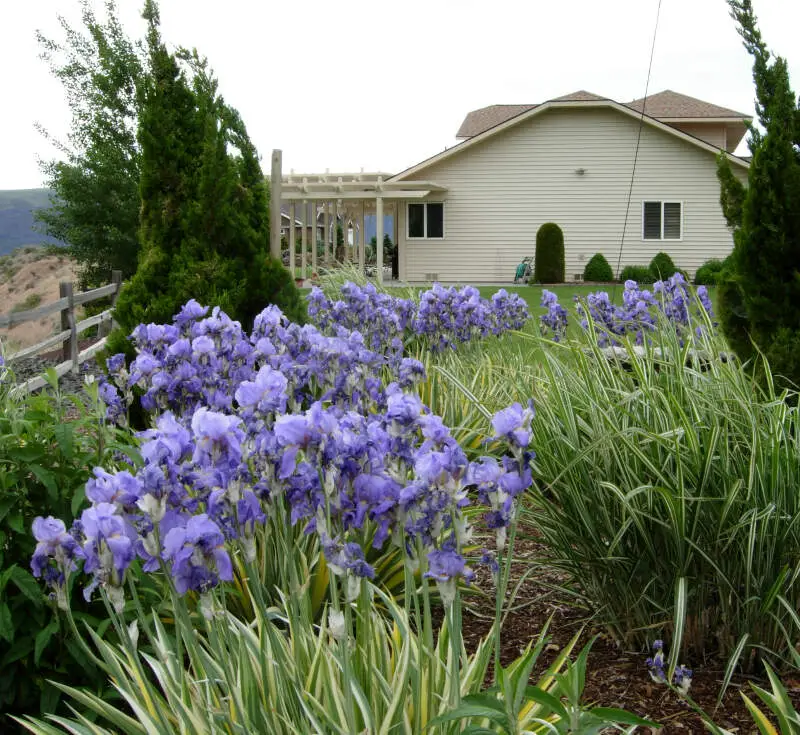
Earnings Ratio: $0.59
Women In Management: 9.7%
Women In Poverty: 22.6%
Women Uninsured: 18.5%
Quincy ranks as the most challenging city for women in Washington, marked by low representation in management roles and a high poverty rate. Women here struggle with economic and health care access, highlighting the need for systemic change.
2. Ephrata

Earnings Ratio: $0.55
Women In Management: 12.2%
Women In Poverty: 15.1%
Women Uninsured: 8.7%
Ephrata ranks second, with significant issues related to poverty and low representation of women in leadership roles, contributing to a challenging environment for women.
3. Lake Stickney
Earnings Ratio: $0.52
Women In Management: 38.0%
Women In Poverty: 19.9%
Women Uninsured: 9.1%
Lake Stickney faces its own challenges, with a notable percentage of women in management but still significant poverty rates, indicating that a substantial number of women are left behind.
4. Othello
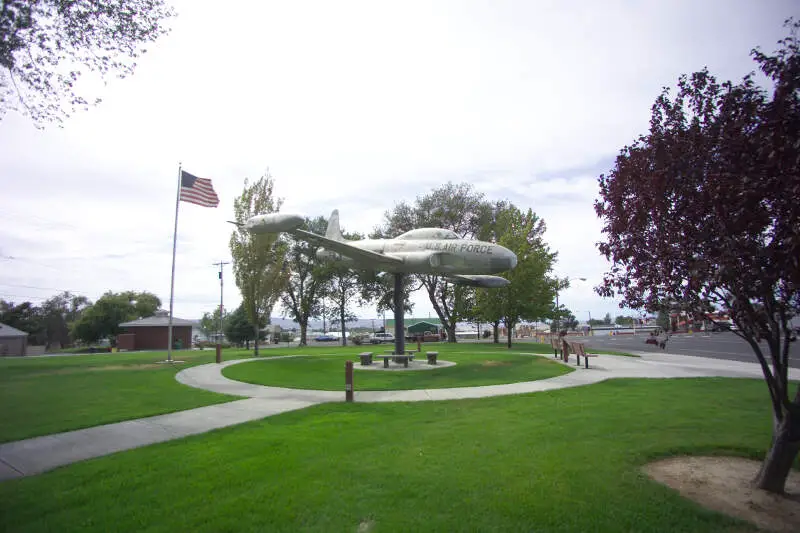
Earnings Ratio: $0.66
Women In Management: 32.6%
Women In Poverty: 31.0%
Women Uninsured: 18.0%
Othello ranks fourth, grappling with a high percentage of uninsured women and poverty, marking it as a difficult place for women to thrive.
5. Burlington

Earnings Ratio: $0.68
Women In Management: 26.1%
Women In Poverty: 22.8%
Women Uninsured: 8.4%
While Burlington offers slightly better conditions than the top four cities, women still face significant challenges related to poverty and representation in management.
6. Midland
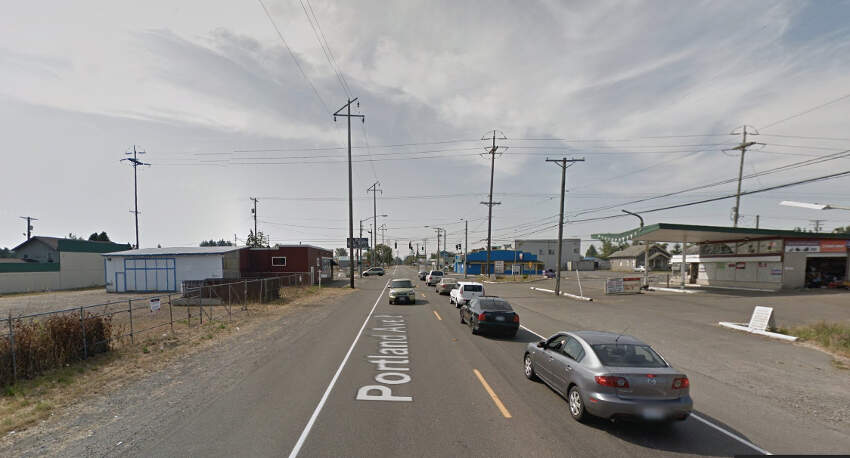
Earnings Ratio: $0.68
Women In Management: 28.8%
Women In Poverty: 18.5%
Women Uninsured: 14.8%
Midland ranks sixth, with a high rate of poverty among women, marking it as a challenging place for women to find economic stability.
7. Union Gap
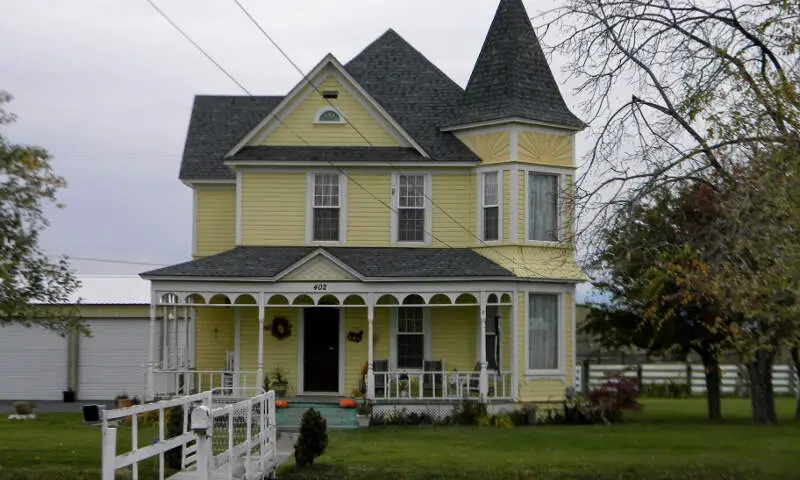
Earnings Ratio: $0.77
Women In Management: 22.5%
Women In Poverty: 31.3%
Women Uninsured: 14.3%
Union Gap faces numerous challenges, including high poverty rates and low representation in management, making it difficult for women to thrive.
8. Grandview
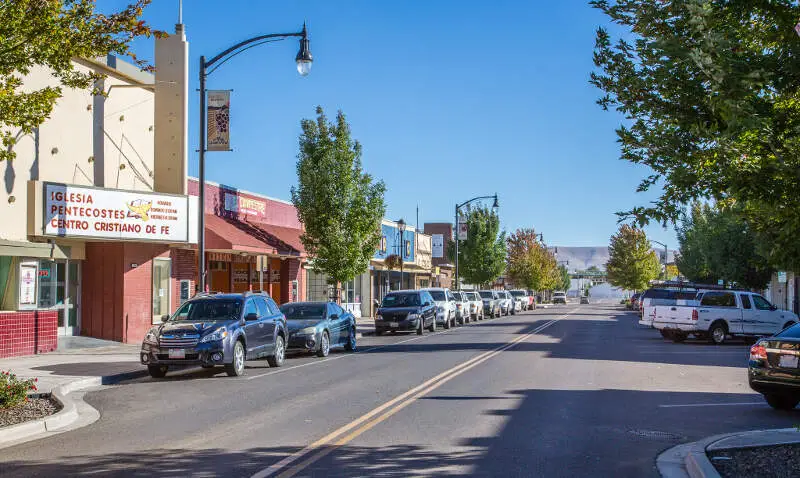
Earnings Ratio: $0.71
Women In Management: 30.8%
Women In Poverty: 16.1%
Women Uninsured: 16.3%
Grandview presents a tough environment for women, with a significant portion living in poverty and just over 30% in management roles.
9. Terrace Heights
Earnings Ratio: $0.60
Women In Management: 30.9%
Women In Poverty: 11.6%
Women Uninsured: 8.3%
Terrace Heights struggles with earnings disparities and a high percentage of uninsured women, contributing to a challenging landscape for female residents.
10. Pasco
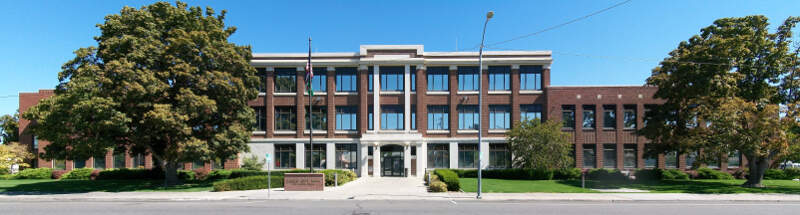
Earnings Ratio: $0.70
Women In Management: 33.7%
Women In Poverty: 18.0%
Women Uninsured: 13.4%
Pasco, while showing some improvement, still faces significant challenges with poverty and insurance coverage for women.
Summary On Worst Cities to Be A Woman In Washington
The cities listed above represent the most challenging environments for women in Washington State. Each location exhibits unique barriers, demonstrating the ongoing need for systemic changes to improve conditions for women. While Quincy ranks as the most difficult city, the disparities across these regions highlight the urgent need for initiatives aimed at closing the gender gap and fostering equality.
Explore the full list below to understand the broader context of women’s experiences across Washington.
Detailed List Of The Worst Cities For Women In Washington
| Rank | Place | Pay Gap |
|---|---|---|
| 1 | Quincy | $0.59 |
| 2 | Ephrata | $0.55 |
| 3 | Lake Stickney | $0.52 |
| 4 | Othello | $0.66 |
| 5 | Burlington | $0.68 |
| 6 | Midland | $0.68 |
| 7 | Union Gap | $0.77 |
| 8 | Grandview | $0.71 |
| 9 | Terrace Heights | $0.60 |
| 10 | Pasco | $0.70 |
| 11 | Ferndale | $0.48 |
| 12 | Manchester | $0.54 |
| 13 | North Bend | $0.61 |
| 14 | Lakeland North | $0.61 |
| 15 | Mount Vernon | $0.63 |
| 16 | East Wenatchee | $0.73 |
| 17 | Graham | $0.53 |
| 18 | Elk Plain | $0.56 |
| 19 | Yakima | $0.73 |
| 20 | Sunnyside | $0.65 |
| 21 | Prosser | $0.66 |
| 22 | Richland | $0.53 |
| 23 | Lynden | $0.44 |
| 24 | West Richland | $0.46 |
| 25 | College Place | $0.72 |
| 26 | Sultan | $0.50 |
| 27 | Snohomish | $0.62 |
| 28 | Anacortes | $0.54 |
| 29 | Lynnwood | $0.70 |
| 30 | West Clarkston-Highland | $0.81 |
| 31 | Sequim | $0.66 |
| 32 | Ellensburg | $0.51 |
| 33 | Centralia | $0.79 |
| 34 | Aberdeen | $0.67 |
| 35 | Longview | $0.72 |
| 36 | Toppenish | $0.71 |
| 37 | Salmon Creek | $0.64 |
| 38 | Parkland | $0.67 |
| 39 | Kennewick | $0.68 |
| 40 | Barberton | $0.44 |
| 41 | Everett | $0.69 |
| 42 | Chehalis | $0.63 |
| 43 | Stanwood | $0.52 |
| 44 | Wenatchee | $0.77 |
| 45 | Finley | $0.48 |
| 46 | Woodinville | $0.54 |
| 47 | Waller | $0.69 |
| 48 | Auburn | $0.74 |
| 49 | Vancouver | $0.71 |
| 50 | Bellingham | $0.71 |
| 51 | Lakewood | $0.75 |
| 52 | Redmond | $0.44 |
| 53 | Federal Way | $0.74 |
| 54 | Burien | $0.82 |
| 55 | Lake Morton-Berrydale | $0.66 |
| 56 | Gig Harbor | $0.49 |
| 57 | Washougal | $0.41 |
| 58 | Prairie Ridge | $0.60 |
| 59 | Clarkston Heights-Vineland | $0.58 |
| 60 | North Lynnwood | $0.70 |
| 61 | Bellevue | $0.53 |
| 62 | Cheney | $0.78 |
| 63 | Battle Ground | $0.62 |
| 64 | South Hill | $0.61 |
| 65 | White Center | $0.72 |
| 66 | Clover Creek | $0.68 |
| 67 | Hoquiam | $0.64 |
| 68 | Selah | $0.57 |
| 69 | Pullman | $0.62 |
| 70 | Mill Creek | $0.43 |
| 71 | Issaquah | $0.53 |
| 72 | Minnehaha | $0.63 |
| 73 | Kelso | $0.87 |
| 74 | Camas | $0.52 |
| 75 | Bothell West | $0.57 |
| 76 | Marysville | $0.62 |
| 77 | Walla Walla | $0.73 |
| 78 | Fairwood (Spokane | $0.58 |
| 79 | Woodland | $0.46 |
| 80 | Hazel Dell | $0.72 |
| 81 | Kenmore | $0.60 |
| 82 | Bothell City | $0.59 |
| 83 | Summit View | $0.74 |
| 84 | Orting | $0.55 |
| 85 | Spanaway | $0.75 |
| 86 | Bainbridge Island | $0.45 |
| 87 | Monroe | $0.74 |
| 88 | Ridgefield | $0.51 |
| 89 | Seatac | $0.78 |
| 90 | Tacoma | $0.74 |
| 91 | Enumclaw | $0.57 |
| 92 | Kent | $0.81 |
| 93 | Maple Valley | $0.55 |
| 94 | Sedro-Woolley | $0.64 |
| 95 | Woods Creek | $0.58 |
| 96 | Orchards | $0.58 |
| 97 | Cottage Lake | $0.41 |
| 98 | Union Hill-Novelty Hill | $0.37 |
| 99 | Fife | $0.72 |
| 100 | Silverdale | $0.62 |

Author

Kathy is the head of content at Zippia with a knack for engaging audiences. Prior to joining Zippia, Kathy worked at Gateway Blend growing audiences across diverse brands. She graduated from Troy University with a degree in Social Science Education.