Explore jobs
Find specific jobs
Explore careers
Explore professions
Best companies
Explore companies
This question is about what an analyst does, what a consultant does, and analyst.
Analyst vs Consultant
An analyst is a professional that is tasked with gathering, interpreting, and using data to develop actionable strategies that improve and optimize results for a company, while a consultant is a professional who offers expert advice to individuals or corporations.
An analyst assesses a company's needs by receiving large amounts of data and analyzing it. They seek to find trends and areas of improvement that will enhance the performance of the company. This may concern the effectiveness and efficiency of a service, product, or system associated with the company.
A consultant has expertise in a specific area of business. They aim to give advice to an individual or corporation that improves their profits. Consultants may also provide advice on how to more effectively structure a company or a specific project. They are known to have strong communication skills, as this is essential in delivering their strategies to their clients.
Here are the key differences between an analyst and a consultant:
An analyst specializes in one area within a field of expertise
A consultant specializes in one field of expertise and therefore has a more robust understanding of the specific industry
An analyst researches and creates reports for a company on particular trends
A consultant provides strategic plans for an individual or company
An analyst's role is heavily dependent on a company's internal data
Consultants may conduct training courses for a company's employees
On average analysts earn slightly more than consultants

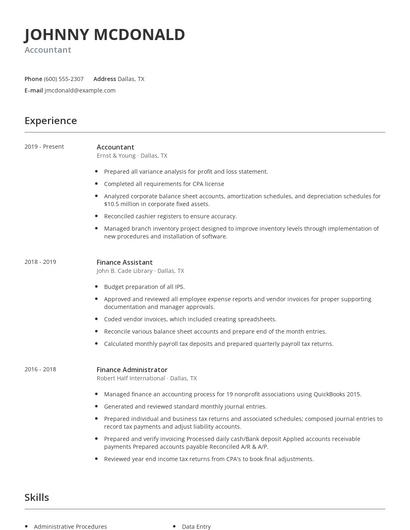
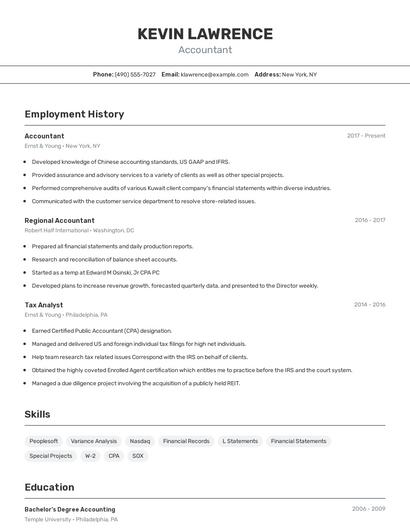
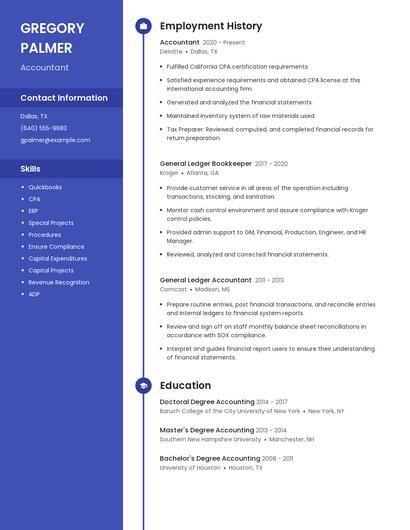
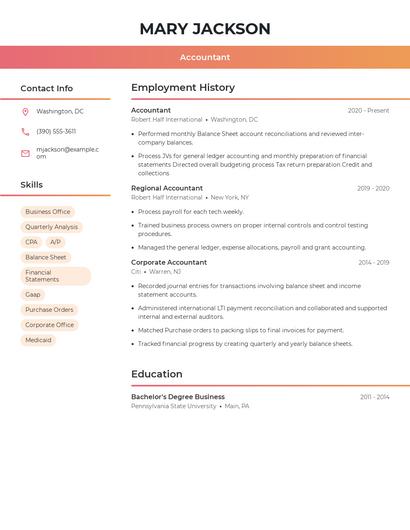
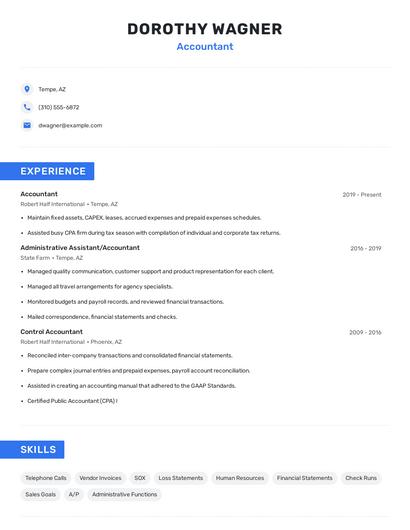
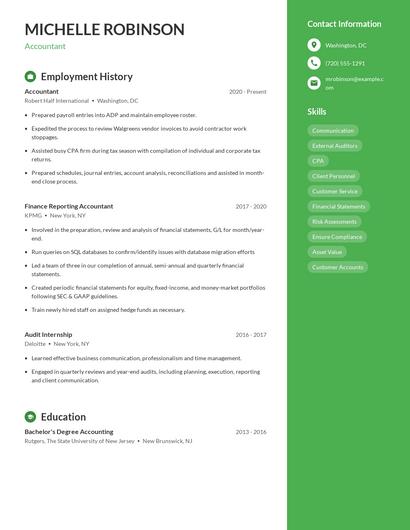
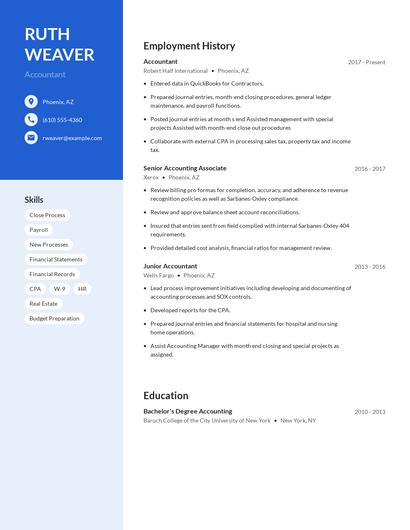
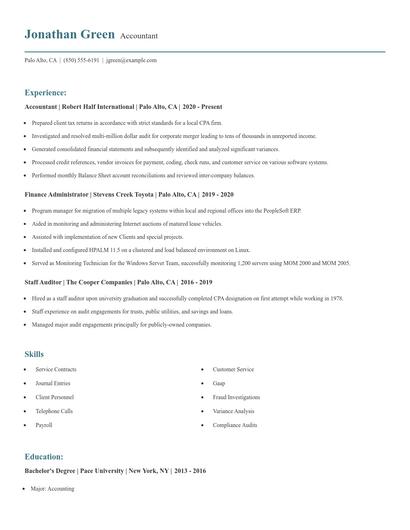
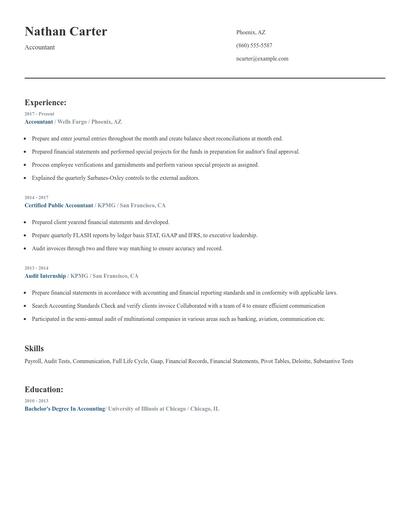
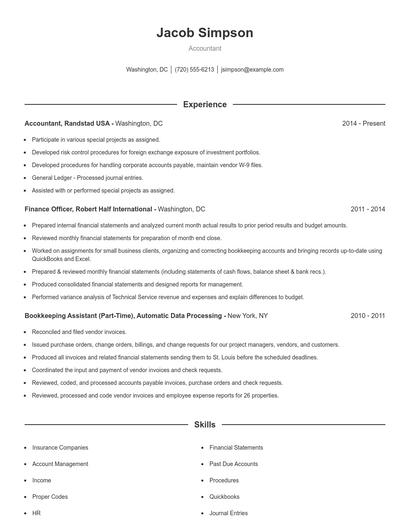
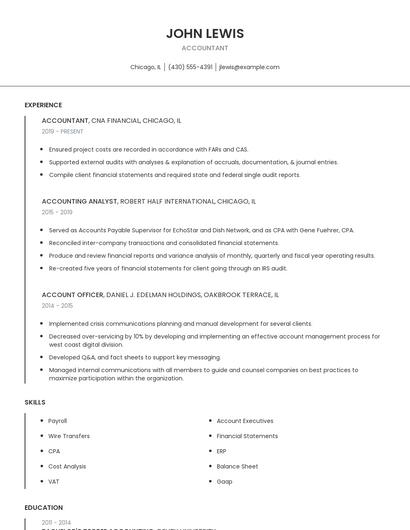
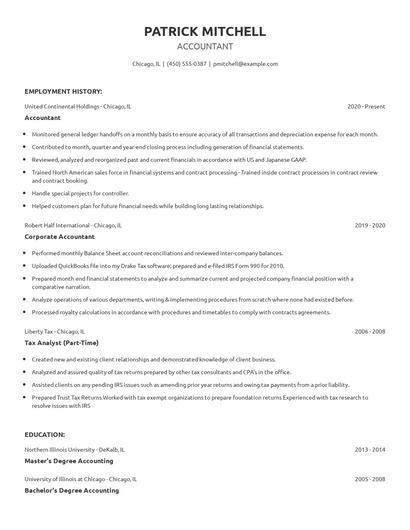
Choose from 10+ customizable resume templates
Zippia allows you to choose from different easy-to-use templates, and provides you with expert advice. Using the templates, you can rest assured that the structure and format of your resume is top notch. Choose a template with the colors, fonts & text sizes that are appropriate for your industry.