Explore jobs
Find specific jobs
Explore careers
Explore professions
Best companies
Explore companies
This question is about what a loan officer does.
How to become a loan officer without a degree
You become a loan officer without a degree by having experience in customer service, sales, or banking. A bachelor's degree in a related field, such as business or finance, is usually required to become a loan officer, according to the Bureau of Labor Statistics.
Specific types of loan officers, such as mortgage officers, may need experience in residential mortgages or real estate. Mortgage officers must also earn a Mortgage Loan Originator (MLO) License. To become licensed, you must complete at least 20 hours of coursework and pass the licensing exam. A background and credit check are required.
Licenses must be renewed annually, and individual states may have additional requirements. Several banking associations, as well as several schools, offer courses and training programs for loan officers looking to get certified. Certification shows dedication and may enhance your employment opportunities.
If you are planning to pursue this profession, the American Bankers Association recommends building skills in these core areas:
Understanding banking terminology
Banks as a business
Customer service
The amount of experience you will need will vary based on where you live and the positions that are available. Because loan officers are responsible for analyzing the finance of businesses and individuals that are applying for credit, they need to understand general business accounting and how to read financial statements.
Once hired, loan officers generally receive job-specific training from their employer. This is typically a combination of formal, company-sponsored training, and informal training.

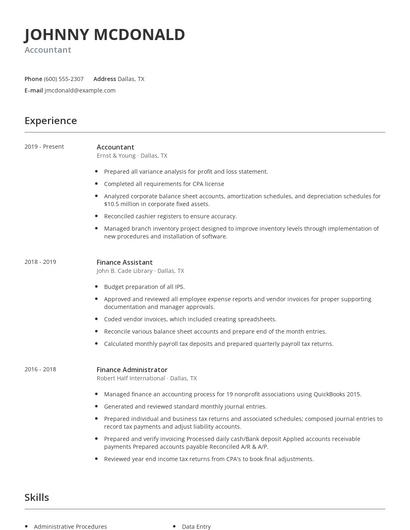
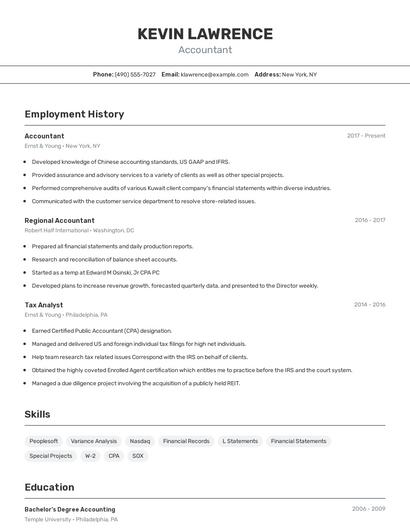
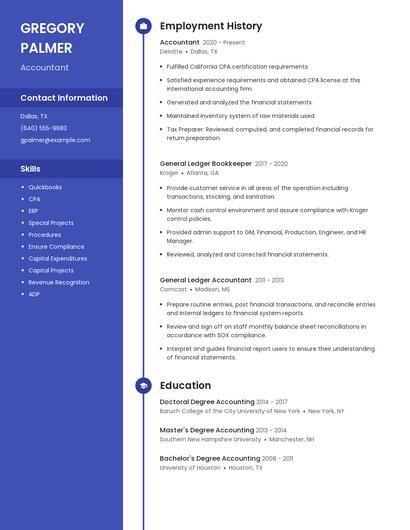
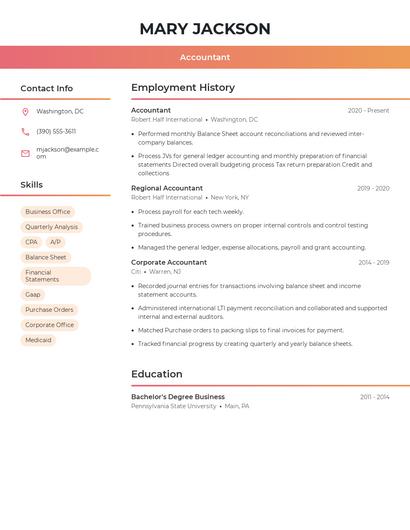
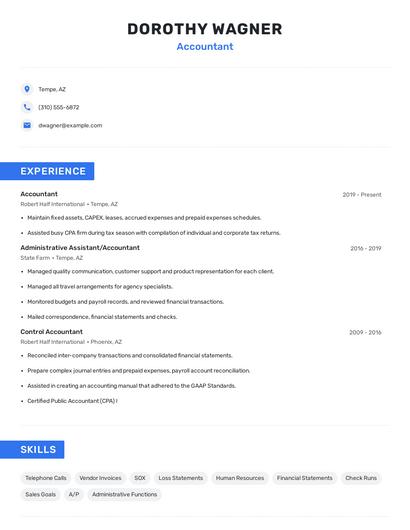
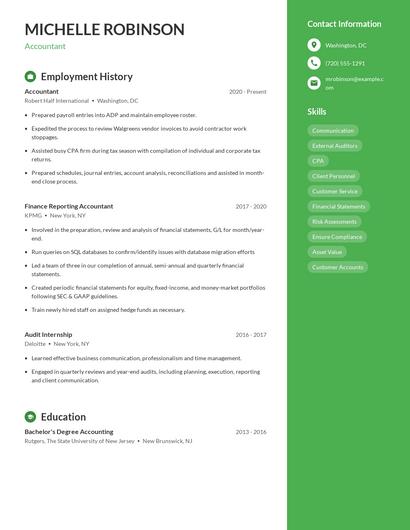
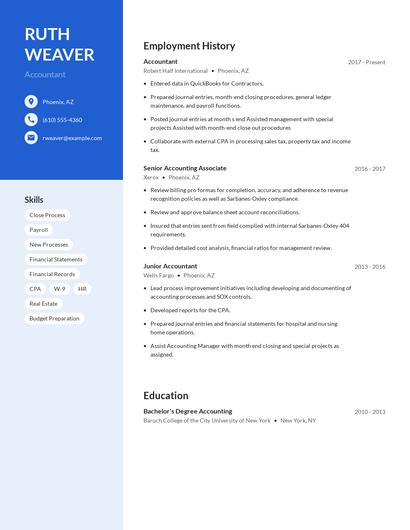
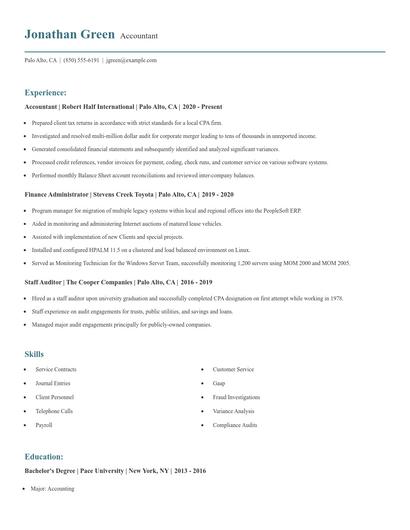
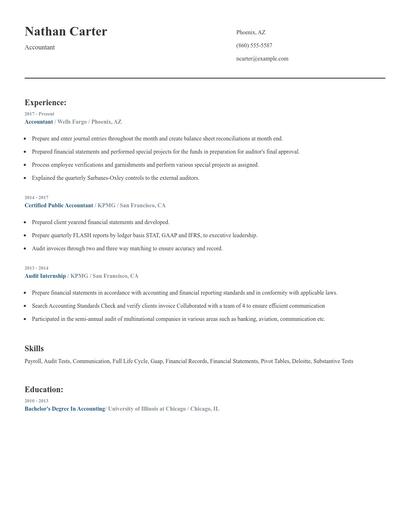
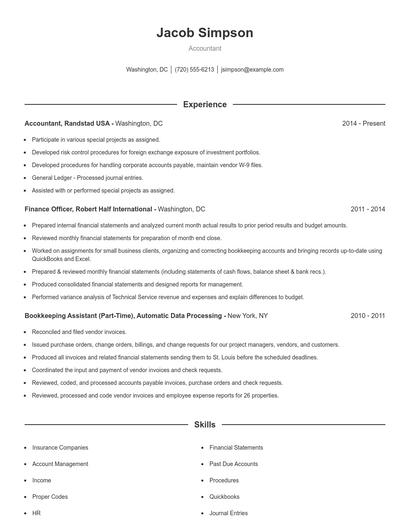
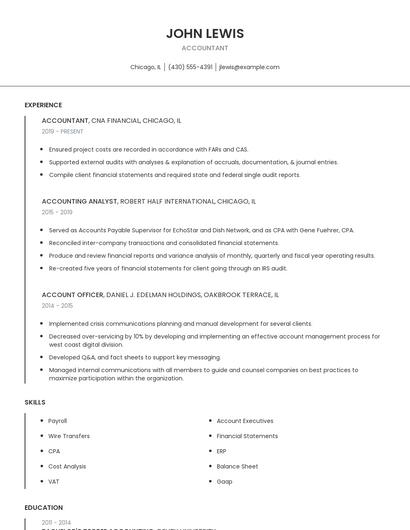
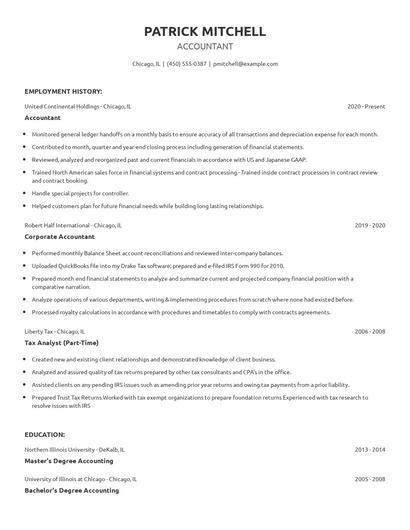
Choose from 10+ customizable resume templates
Zippia allows you to choose from different easy-to-use templates, and provides you with expert advice. Using the templates, you can rest assured that the structure and format of your resume is top notch. Choose a template with the colors, fonts & text sizes that are appropriate for your industry.