Explore jobs
Find specific jobs
Explore careers
Explore professions
Best companies
Explore companies
This question is about business analyst.
What are careers in business analytics?
Business intelligence analysts, data analysts, and big data engineers are careers in business analytics.
Business Intelligence Analyst
A business intelligence (BI) analyst uses data and other information to help organizations to make sound business decisions. Their role can vary based on the organization, but in general, their role can be broken down into three parts:
Breaking down data: A BI analyst will gather, clean, and analyze data like revenues, sales, and market information. They will evaluate customer engagement metrics of the business and may be asked to program tools and data models to help visualize or monitor data.
Interpret data: A BI analyst will find patterns or see areas in the data that signal a potential for improvement in business practices. This is a key part of a BI analyst's job. For example, a BI analyst might analyze market trends to understand how a company might need to adapt a product.
Share findings: A BI analyst will share findings. This can include anything from visualizing data in graphs and charts to putting reports together and presenting them in front of other teams or clients. BI analysts will also make recommendations to improve or grow the business based on their findings.
Most analysts start their careers in analytical roles like data analysts. They may go on to become business intelligence consultants, business architects, or other senior positions. They need to be knowledgeable when it comes to database tools and how to manage data using common tools like Excel and SQL.
Working knowledge of data visualization tools like Tableau or Power BI is often cited in job descriptions as an important skill to have. While they do not need to write code, BI analysts should also have a working knowledge of coding languages in order to monitor key aspects of the business.
Data Analyst
A data analyst plays a vital role in a modern company, helping to reflect on its work and customer base, determining how these factors have affected profits, and advising leadership on ways to move forward to grow the business. Successful data analysts have strong mathematical and statistical skills. They should also:
Have analytical skills to gather, view, and analyze information
Have numerical skills to measure and statistically analyze data
Have technical skills, including software and scripting languages to organize and present data
Data analysts also require a strong foundation of business knowledge and professional skills, from decision-making and problem-solving to communication and time management. Attention to detail is another essential skill for a data analyst, as it ensures that data is analyzed efficiently and effectively while minimizing errors.
A data analyst can collect data using software, surveys, and other data collection tools. They can also perform statistical analysis of data and interpret information gathered to inform critical business decisions. They can work for any size business and in relatively any industry. Analysts are becoming more and more in demand.
Big Data Engineer
Another career option is a big data engineer, which is an information technology professional who is responsible for designing, building, and testing complex data processing systems that work with large data sets. This includes aggregating, cleaning, transforming, and enriching different forms of data so that information can be extracted.
A big data engineer can work in areas such as architecture, technology standards, and open-source options. They may also be involved in data preparation and data management processes. Typical daily duties for a big data engineer can include the following:
Designing, constructing, and maintaining large-scale data processing systems
Storing data in a data warehouse or data lake repository
Handling raw data using data processing transformations and algorithms to create predefined data structures
Depositing results into a data warehouse or data lake for downstream processing
Transforming and integrating various data into a scalable data repository
Understanding different data transformation tools, techniques, and algorithms
Implementing technical processes and business logic to transform collected data into meaningful and valuable information
This data should meet the necessary quality, governance, and compliance considerations for operational and business users to be considered trustable.
Understanding operational and management options, as well as the differences between data repository structures, massively parallel processing databases, and hybrid cloud.
Evaluating, comparing, and improving data pipelines.
Preparing automated data pipelines to transform and feed the data into dev, QA, and production environments
They need to be prepared to ingest an organization's data into a big data environment and create algorithms that transform the data into an operational or business format.

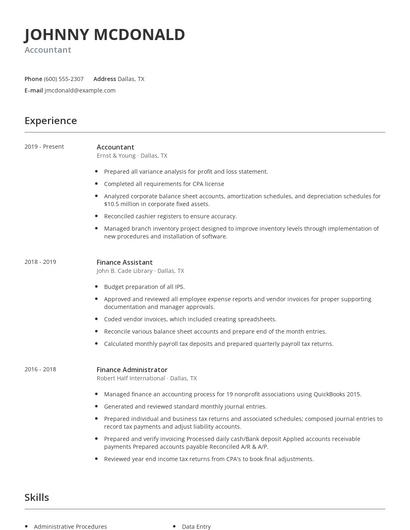
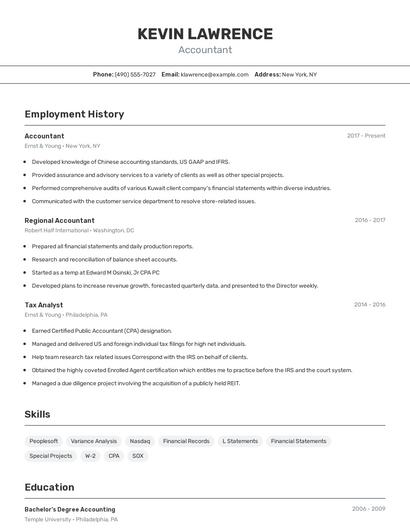
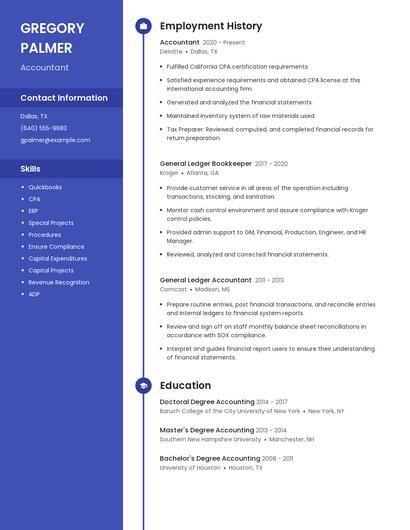
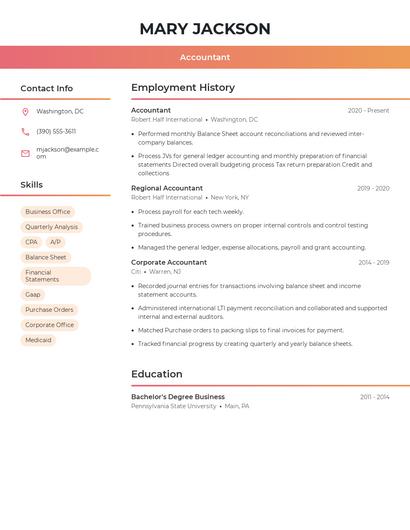
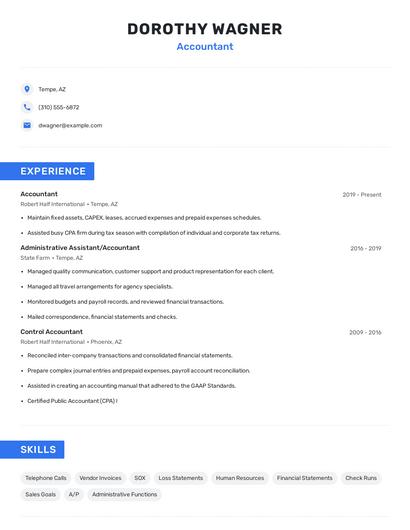
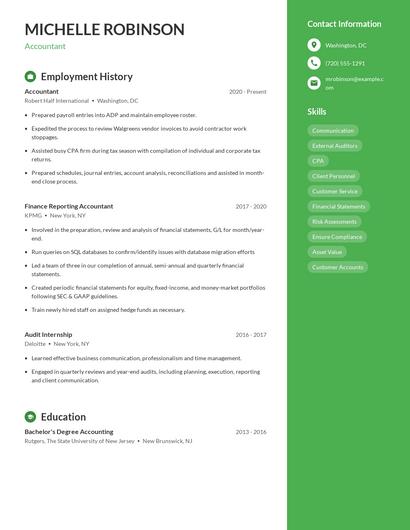
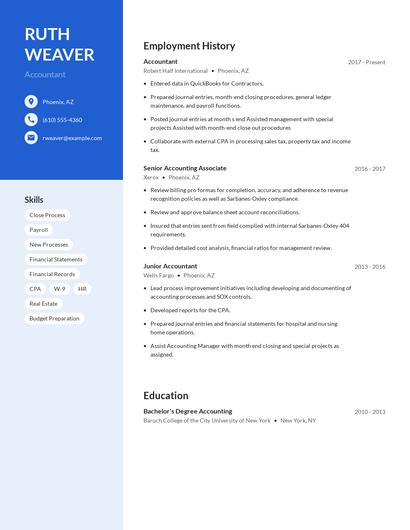
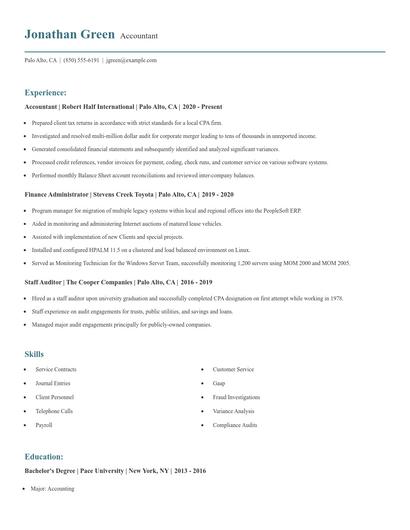
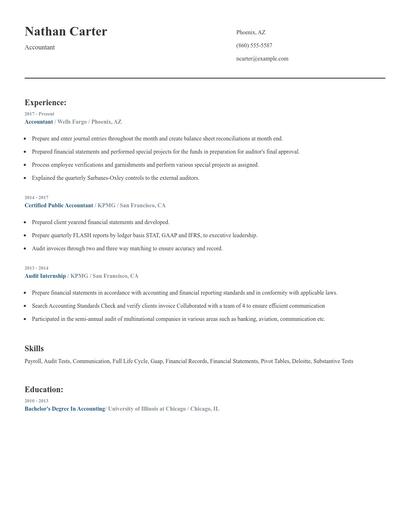
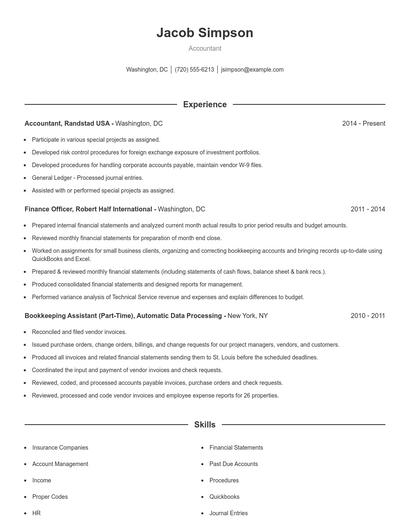
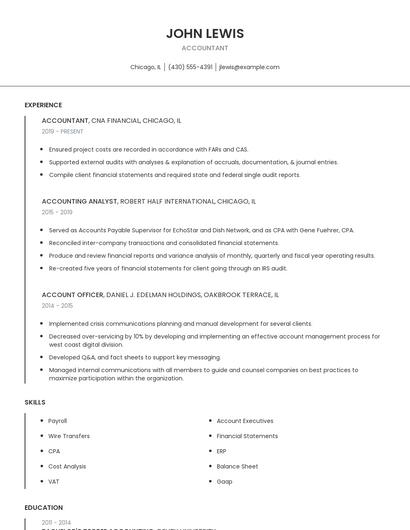
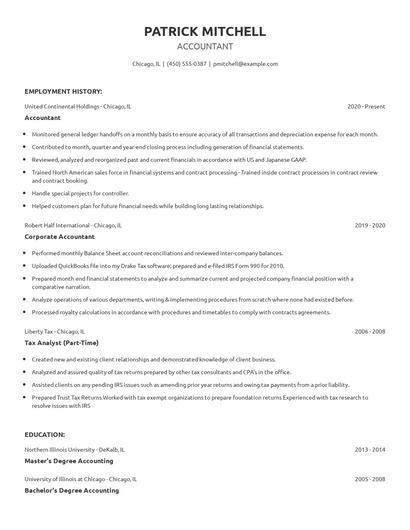
Choose from 10+ customizable resume templates
Zippia allows you to choose from different easy-to-use templates, and provides you with expert advice. Using the templates, you can rest assured that the structure and format of your resume is top notch. Choose a template with the colors, fonts & text sizes that are appropriate for your industry.