Explore jobs
Find specific jobs
Explore careers
Explore professions
Best companies
Explore companies
This question is about human resources generalist.
What are HR operations?
HR operations is the department that supports the entire employee lifecycle and assists your team in their day-to-day tasks. HR operations play a crucial role in developing a company's people strategy to reach its business goals and is a part of an effective HR service delivery model.
The scope of work for HR operations can vary greatly depending on the size of the organization. They can focus on specific regions or business segments or take on a more generalist approach. In most cases, they will have the following responsibilities:
Administration: The HR operations team will be responsible for many administrative tasks that keep the business running. These tasks include payroll management, staff data entry, and maintenance.
They are also responsible for maintaining the human resources information system, also known as HRIS. This program is used to track and maintain all HR-related data, such as employee contracts, non-disclosure agreements, and compensation.
Compliance: This is one of the most important tasks that the HR operations department is responsible for. They make sure that your organization is legally and properly aligned with country-specific labor laws when tasked with things such as hiring, workplace rules, and employee treatment.
HR operations are also charged with outlining the HR compliance policies that need to be followed internally.
Recruitment: If your organization is large enough to have a recruiting team, HR operations will focus on headcount planning. This means that they will make sure there are enough people in the organization so that the business runs well but that there aren't too many people causing resources to be wasted.
If you have a smaller organization, you may not have a dedicated recruitment team, and HR operations will be involved in all areas, including: advertising, interviewing, and providing job offers to candidates.
Onboarding: HR operations will develop a structured onboarding program. This is highly important as OfficeVibe's Employee Engagement report found that 69% of employees are more likely to stay with their company for at least three years if they have had a great onboarding experience.
HR operations will support managers in delivering a positive onboarding experience to their new team members.
Employee relations: Employee relations refer to a company's efforts to manage relationships in an organization. HR operations focus on preventing and resolving issues between coworkers and management. They will also concentrate on understanding how staff feels about their job.
Offboarding: This happens when an employee has either decided to leave the company or was fired. It typically involves administrative tasks like ensuring the employee returns company property, notifying IT and payroll about personnel changes, and preparing any paperwork the employee may need to sign.
Offboarding also involves an exit interview. These are conversations between the employee, manager/HR, and the leadership team. During these interviews, HR operations are looking for feedback from the leaving team member on how to create a better work environment.
The main goals of HR operations are to build a sustainable organization, work on improving employee relations, and implement and maintain HR best practices. A company will only thrive when it has a sustainable growth plan.
HR operations' goal is to ensure that your organization has a headcount strategy, succession plans for leadership roles, and internal talent development goals. Without these strategies, the company cannot adapt quickly to external or internal changes.
When employees have strong, supportive relationships with their coworkers and managers, the entire company benefits. Many studies have shown that happy employees are more productive and will stay with the organization longer. The goal for HR operations is to provide just that.
They want to make sure the staff works in an environment where they can thrive and will have support if any issues pop up between coworkers. HR goes about this by creating clarity for employees about what is expected of them and work (and be successful) within the company's structure.
HR operations are also responsible for implementing and monitoring HR best practices in different departments of the organization. HR best practices are universal processes and techniques that provide organizations with increased business performance results, regardless of the company's industry.
The bottom line is that HR operations ensure the company is always on track to achieve its goals and use its resources in the best way possible.

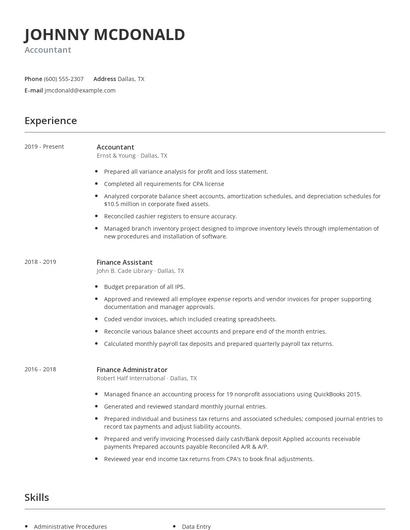
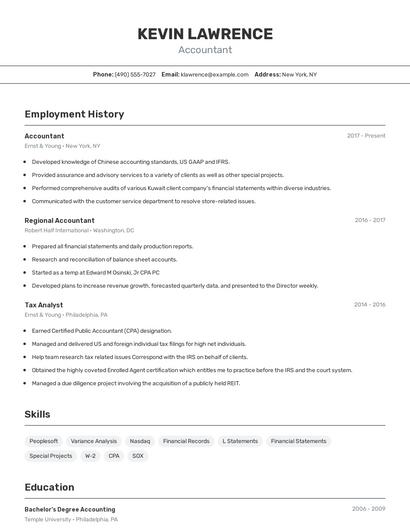
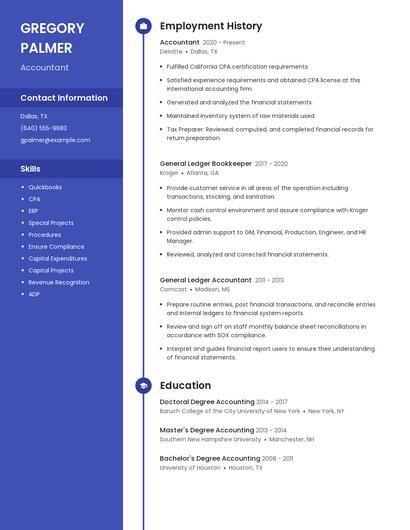
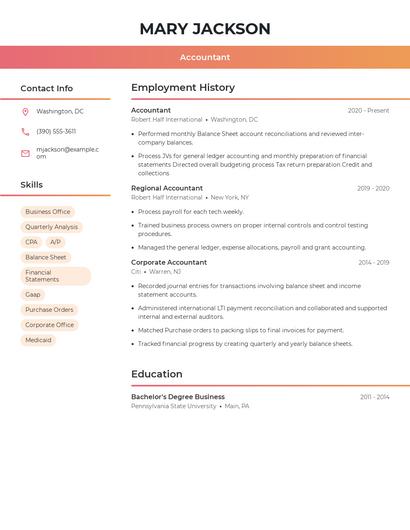
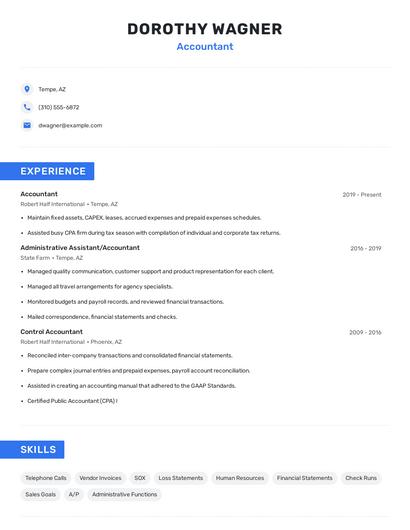
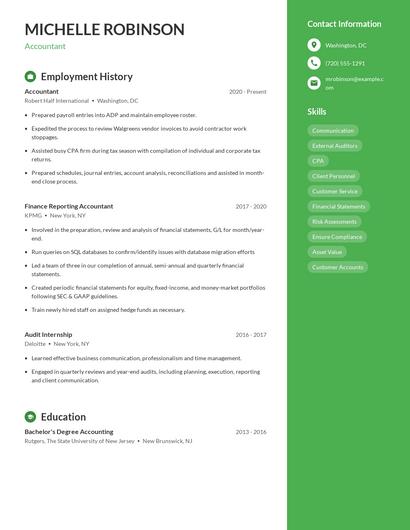
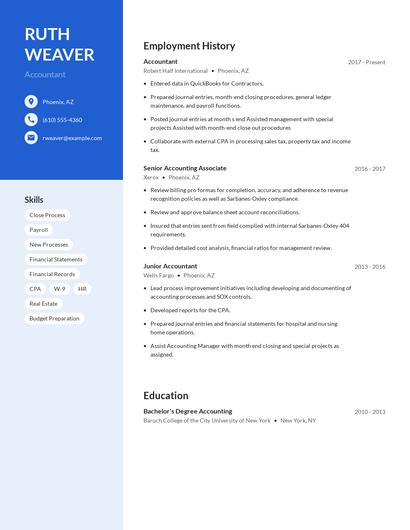
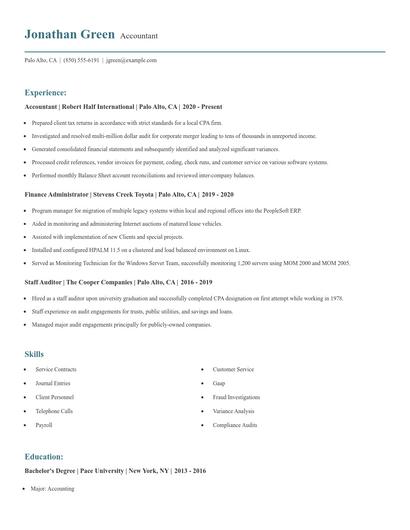
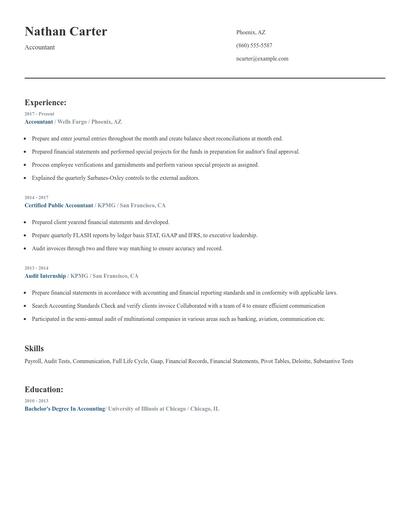
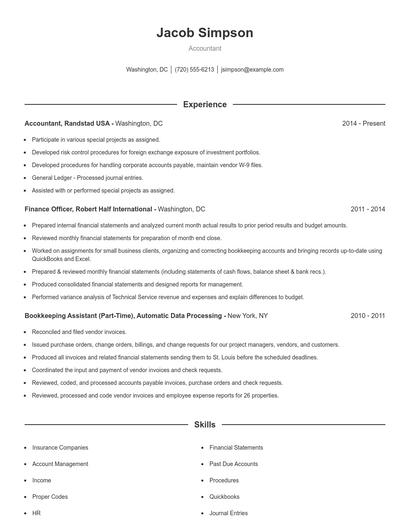
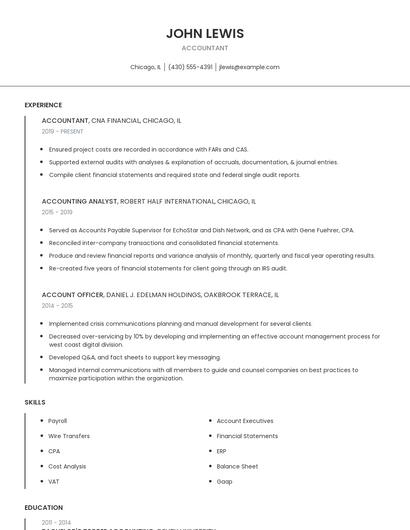
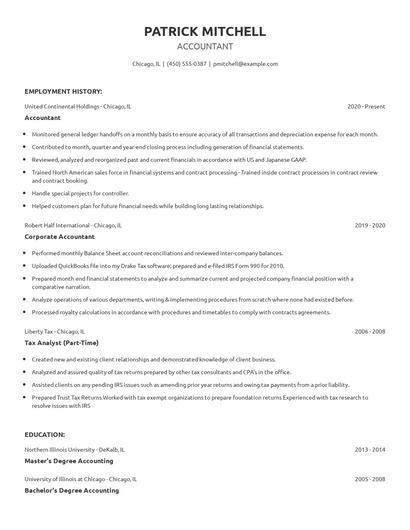
Choose from 10+ customizable resume templates
Zippia allows you to choose from different easy-to-use templates, and provides you with expert advice. Using the templates, you can rest assured that the structure and format of your resume is top notch. Choose a template with the colors, fonts & text sizes that are appropriate for your industry.