Explore jobs
Find specific jobs
Explore careers
Explore professions
Best companies
Explore companies
This question is about what a scientist does.
What degree do you need to be a scientist?
You need a minimum of a bachelor's degree to be a scientist. The most common degrees include:
Chemistry
Biology
Biochemistry
Neuroscience
Molecular biology
While it is possible to become a scientist with an undergraduate degree, it should be noted that most employers will want an advanced degree, and many will require a Ph.D.
This is particularly true for senior research scientists and management positions. One of the reasons for this is that an advanced degree will give you a specialization in your field.
Doctoral work is especially important for scientists who are looking to work in research or academia. A Ph.D. in one of these disciplines typically takes four to six years to complete, and you are considered to be a subject matter expert in your field when you are done.
Most roles as a scientist do not require licensing or professional certifications to work in the field; however, there are some certifications that can be useful. For example, a physicist who works on sensitive government research may be required to hold a security clearance.
Certifications can be helpful in showing that you have advanced knowledge in your field. One credentialing organization is the Institute of Hazardous Materials Management, which is useful for environmental scientists who are seeking certification. This certification must be renewed every five years.
For scientists interested in electrical power testing or industrial instrumentation, the National Institute for Certification in Engineering Technologies (NICET) offers certification.

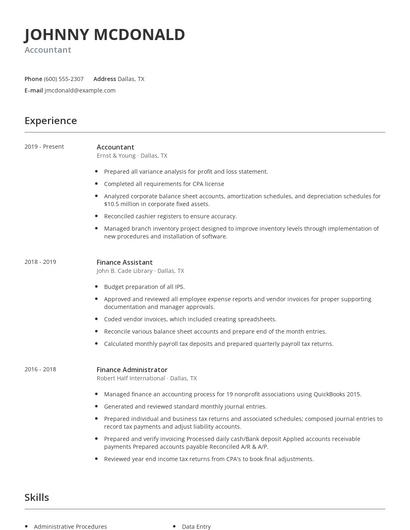
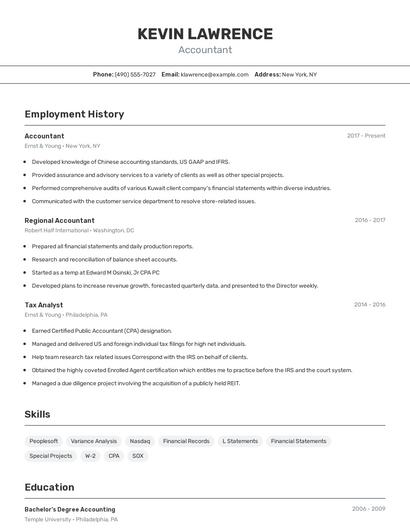
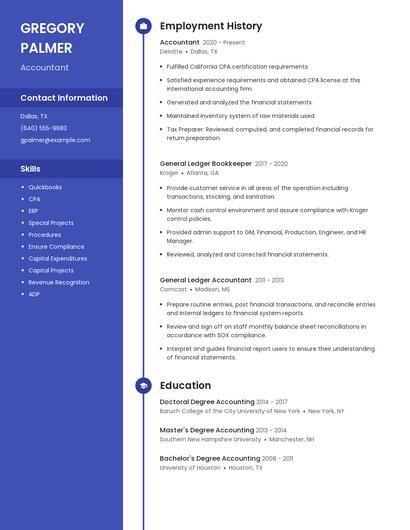
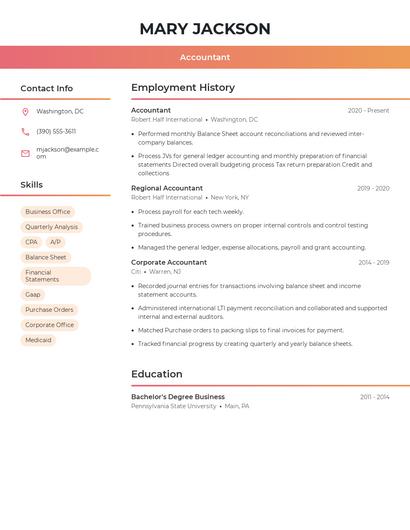
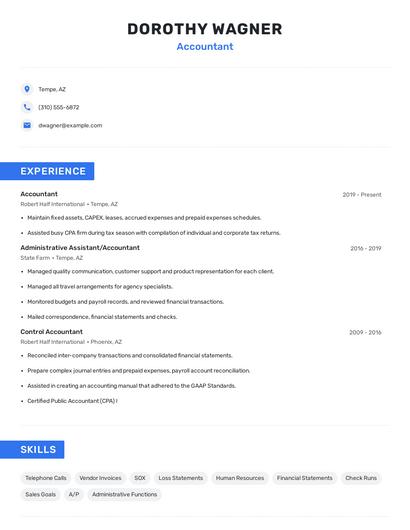
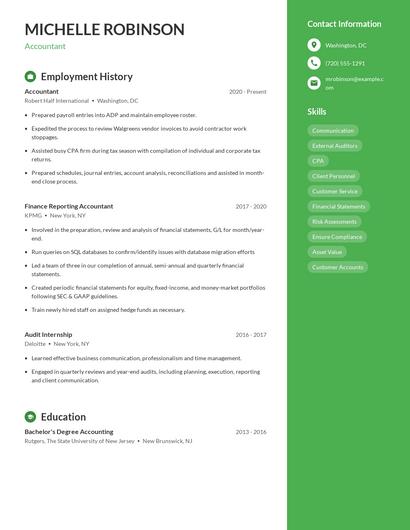
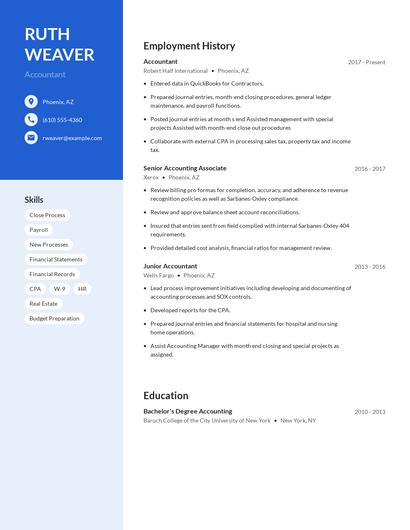
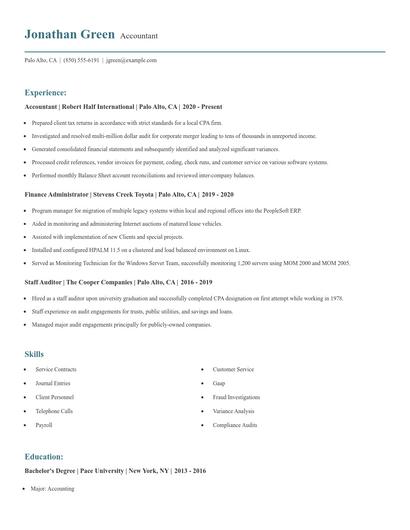
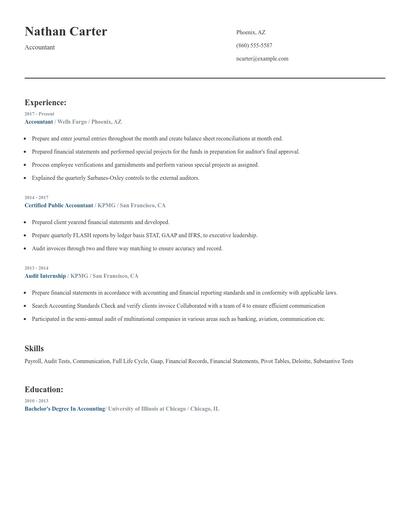
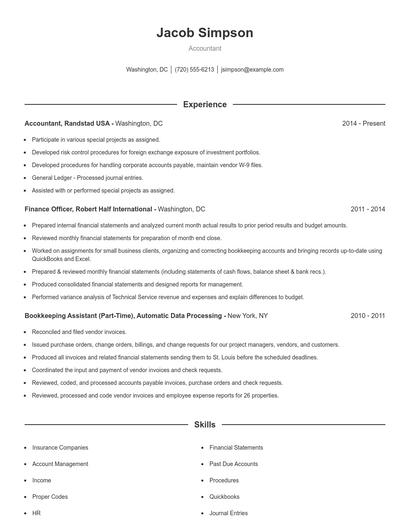
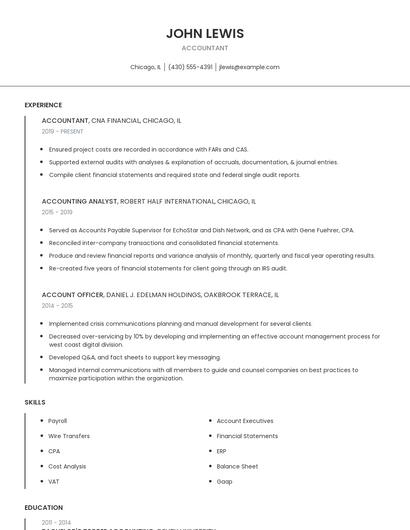
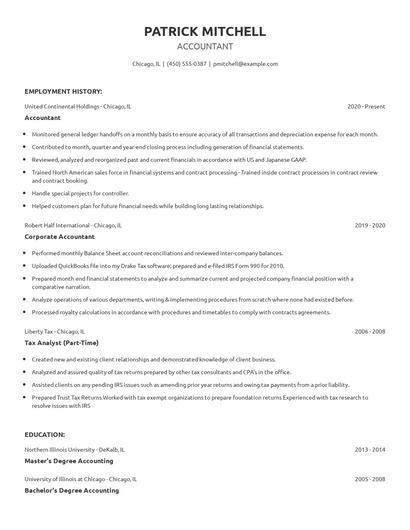
Choose from 10+ customizable resume templates
Zippia allows you to choose from different easy-to-use templates, and provides you with expert advice. Using the templates, you can rest assured that the structure and format of your resume is top notch. Choose a template with the colors, fonts & text sizes that are appropriate for your industry.