Explore jobs
Find specific jobs
Explore careers
Explore professions
Best companies
Explore companies
This question is about what a chief operating officer does.
What is a private company?
A private company is a firm that is held under private ownership. They may issue stock and have shareholders, but their shares are not traded on public exchanges and are not issued through an initial public offering (IPO).
Private firms do not need to meet the Securities and Exchange Commission's (SEC) strict filing requirements for public companies. In general, the shares of these businesses are less liquid, and their valuations are more difficult to determine.
There are four main types of private companies: sole proprietorships, limited liability corporations (LLCs), S corporations (S-corps), and C corporations (C-corps), all of which have different rules for shareholders, members, and taxation. All companies in the U.S. start as privately held companies.
Private companies range in size and scope, encompassing the millions of individually owned businesses in the U.S. and the dozens of startups worldwide. Even U.S. firms such as Albertsons and Cargill, with upwards of $100 billion in annual revenue, fall under the private company umbrella.
Remaining a private company, however, can make raising money more difficult, which is why many large private firms eventually choose to go public through an IPO. While private companies do have access to bank loans and certain types of equity funding, public companies can often sell shares or raise money through bond offerings with more ease.

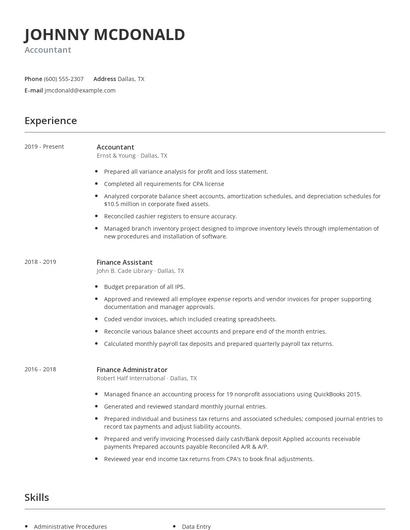
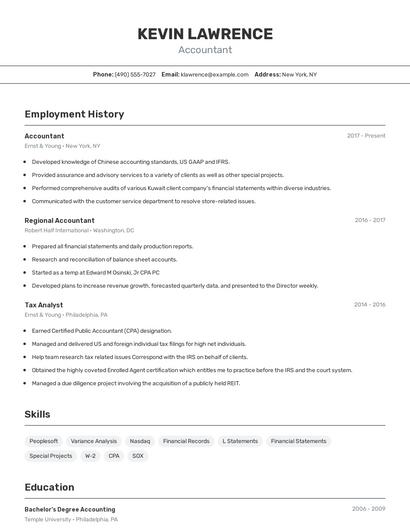
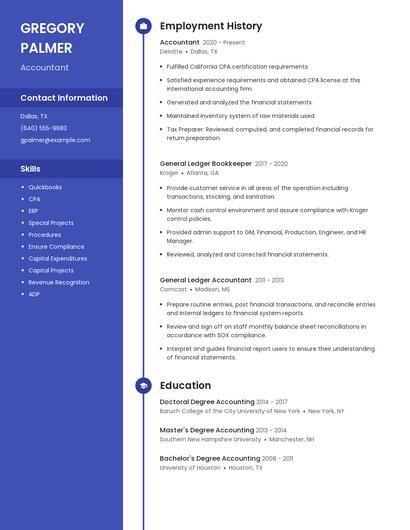
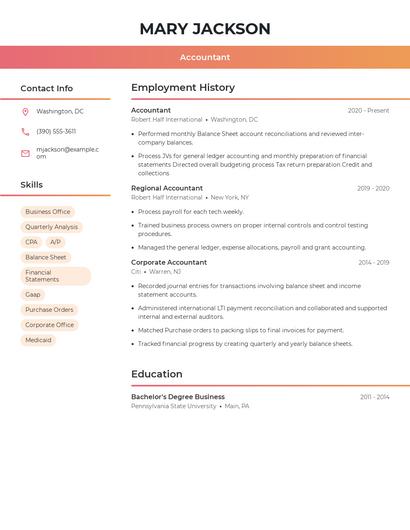
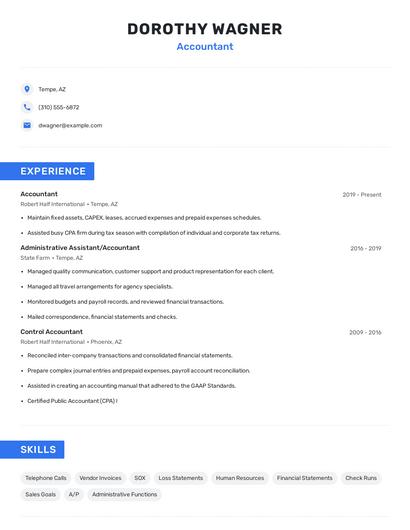
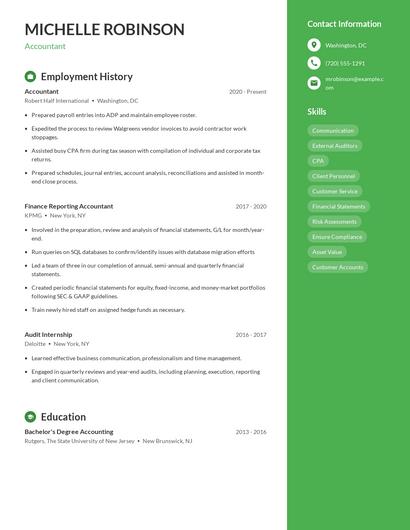
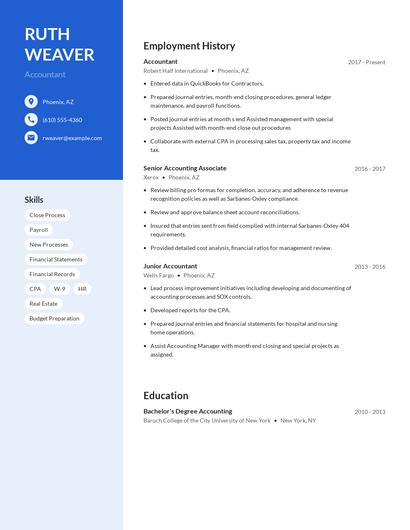
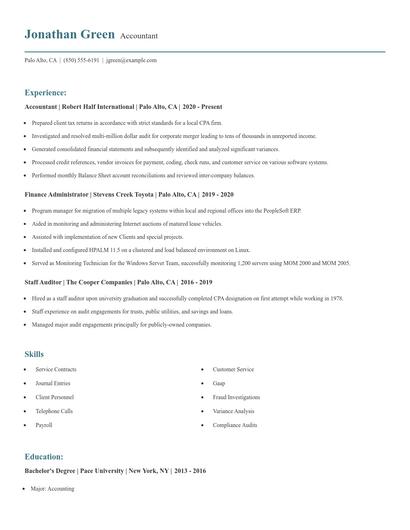
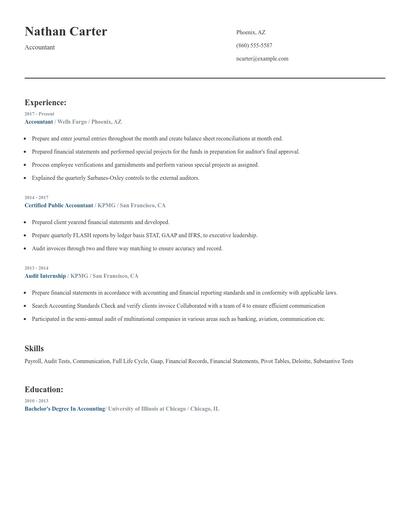
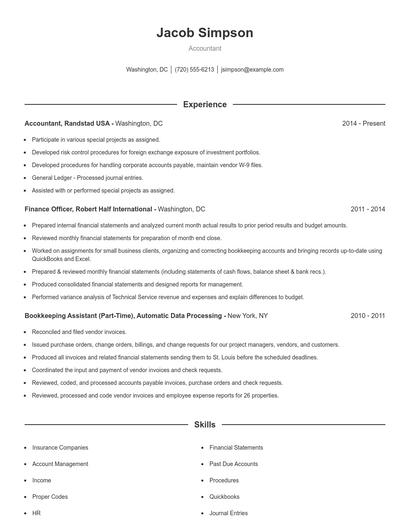
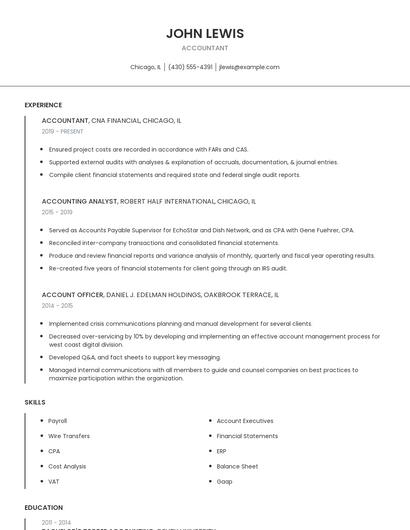
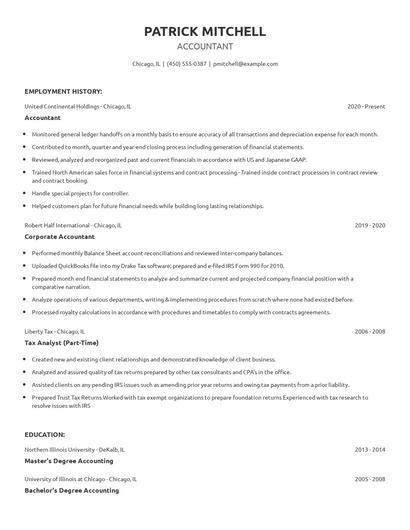
Choose from 10+ customizable resume templates
Zippia allows you to choose from different easy-to-use templates, and provides you with expert advice. Using the templates, you can rest assured that the structure and format of your resume is top notch. Choose a template with the colors, fonts & text sizes that are appropriate for your industry.