Explore jobs
Find specific jobs
Explore careers
Explore professions
Best companies
Explore companies
This question is about human resources generalist.
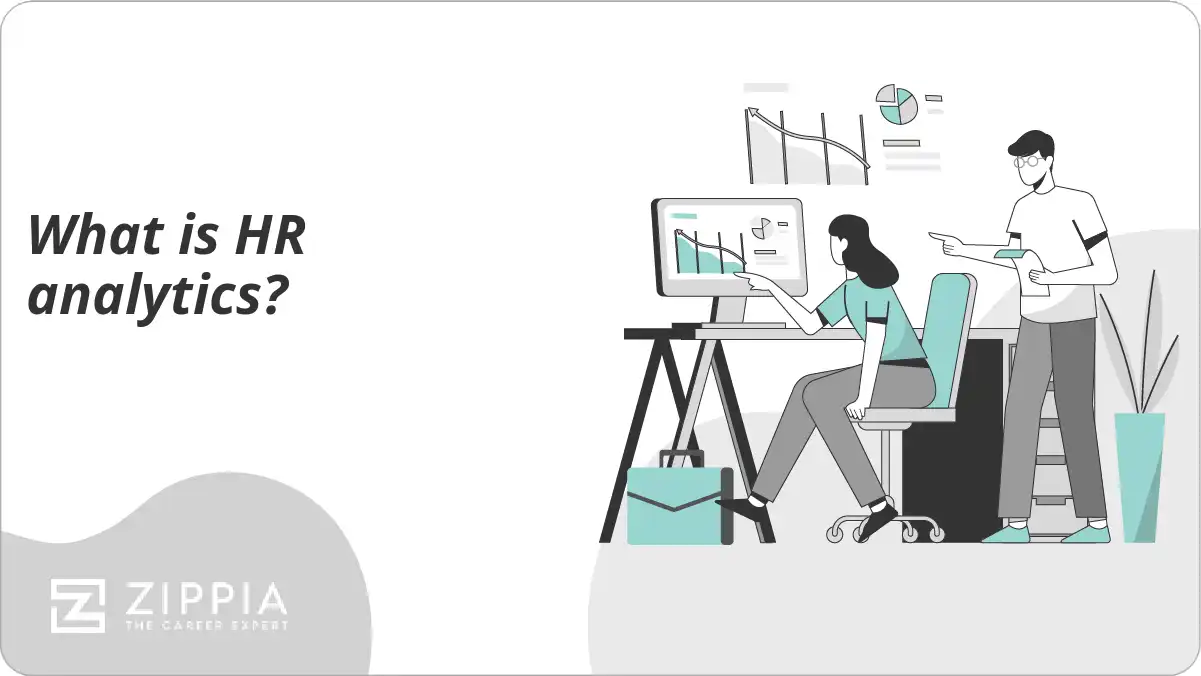
What is HR analytics?
HR analytics is the collection and application of talent data to improve critical talent and business outcomes. HR analytics is also known as people analytics, workforce analytics, or talent analytics. It involves the gathering together, analyzing, and reporting of HR data.
HR analytics can be useful for measuring the impact range of HR metrics on overall business performance and making decisions based on these impacts. The creation of HR analytics has allowed the field of human resources to evolve from an operational discipline to one that is much more strategic.
There are four levels to HR analytics:
Level 1: Operational reporting - This level is defined by using data to understand and reflect on what happened in the past and the events that played out the way that they did.
Level 2: Advanced reporting - This level of reporting is proactive, routine, and in some cases, automated. The top functionality is to look at relationships between variables.
Level 3: Strategic analytics - This level develops casual models and looks at how relationships between variables affect outcomes.
Level 4: Predictive analytics - This level is the highest in HR analytics and is used to make predictions. Data is used to not only predict what will happen in the future but how to plan for it.
Analytics helps an HR professional to test the effectiveness of HR policies and to evaluate things like:
How high is the company's annual employee turnover?
Which employees are most likely to leave the company?
What are the drivers of turnover?
How can we identify those employees best suited for promotion?
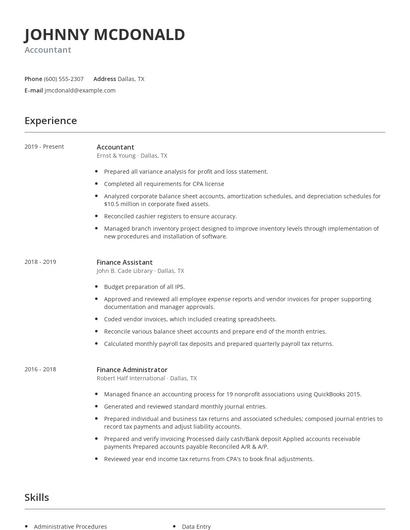
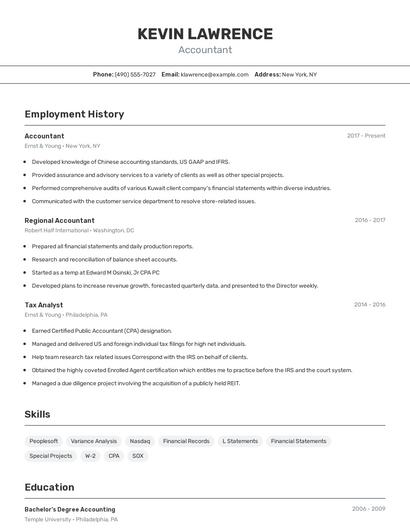
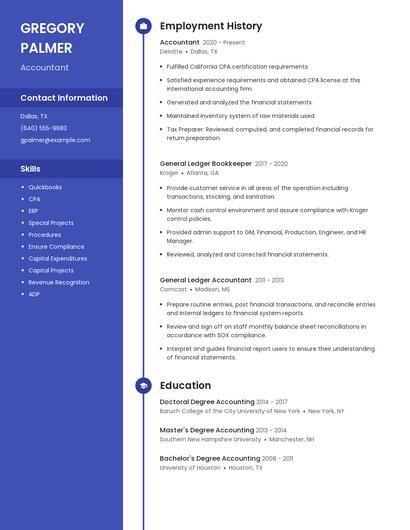
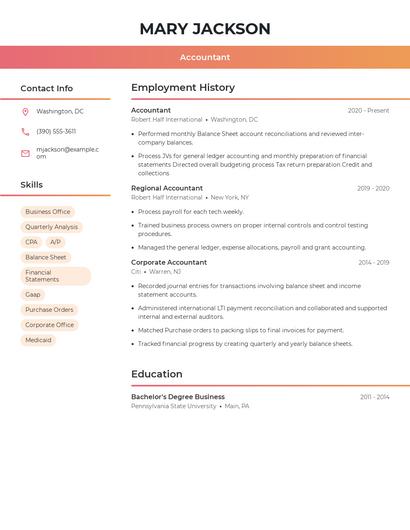
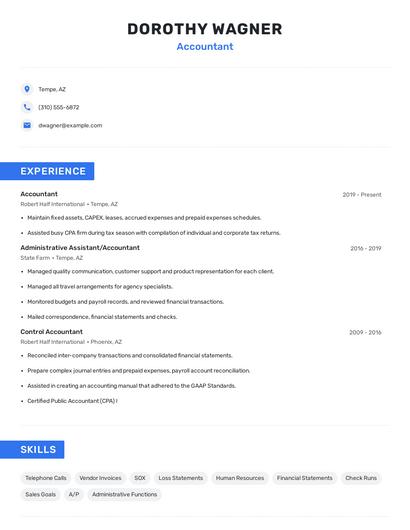
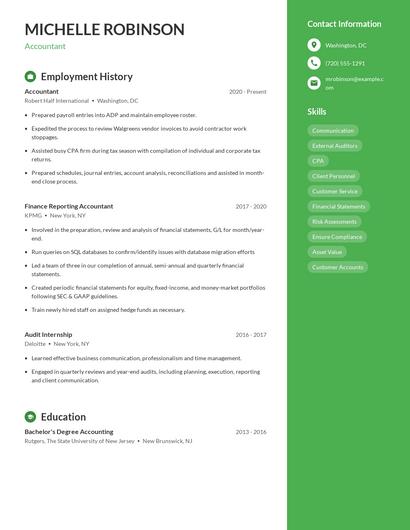
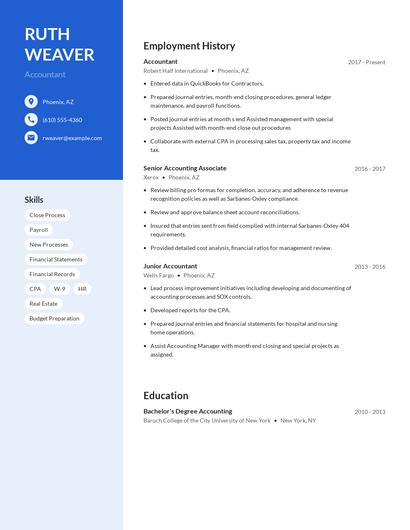
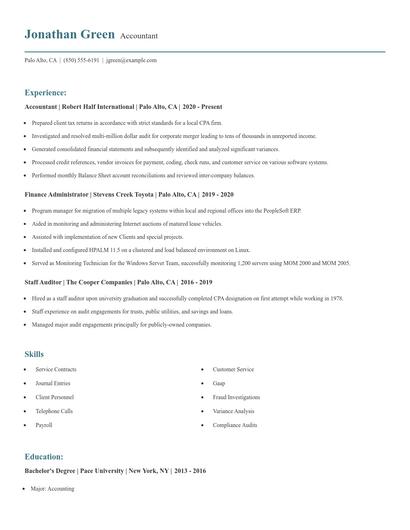
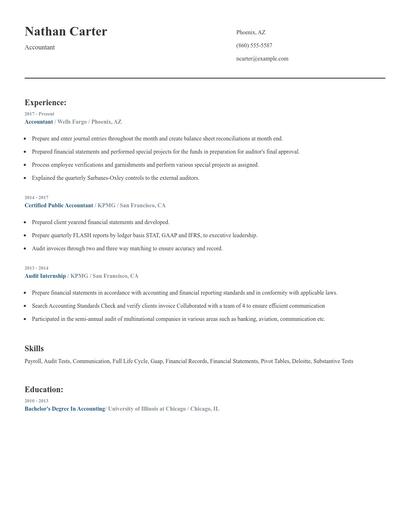
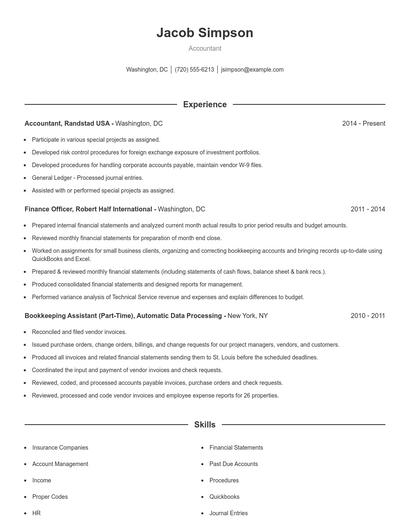
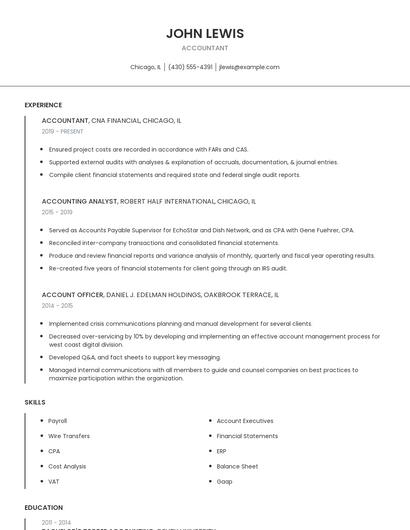
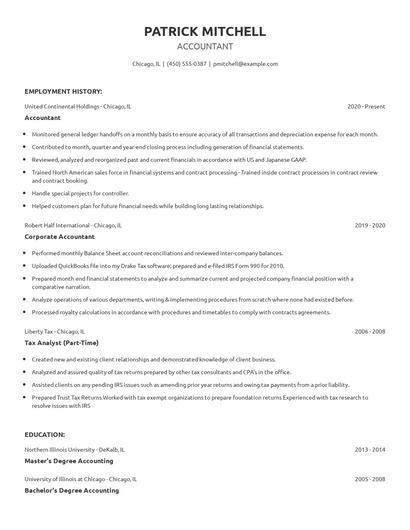
Choose from 10+ customizable resume templates
Zippia allows you to choose from different easy-to-use templates, and provides you with expert advice. Using the templates, you can rest assured that the structure and format of your resume is top notch. Choose a template with the colors, fonts & text sizes that are appropriate for your industry.