Explore jobs
Find specific jobs
Explore careers
Explore professions
Best companies
Explore companies
This question is about human resources generalist.
What is PIP in HR?
PIP in HR refers to a performance improvement plan. This is a document that aims to help employees who are not meeting job performance goals. A PIP covers specific areas of performance deficiencies, identifies gaps in skills or training, and sets clear expectations for future conduct.
A complete PIP should have objectives that must be met within a certain period, and failure to do so may result in employment actions (e.g., write-up, termination, etc.). The role of HR in a PIP is to work with the employee's managers to determine whether or not a PIP is appropriate and to provide guidance.
A PIP is warranted when an employee is underperforming, and their manager is committed to helping them improve in a timely fashion. It should not be used as the first step or as a basis for termination. It will not serve its intended purpose of helping the employee if it is used in a negative light.
To determine if a PIP is appropriate, managers should consider whether a specific performance or behavioral issue can be substantiated as well as whether that issue can be addressed successfully through a formal plan. They should also determine whether the employee has received adequate training and support to succeed in their role.
Managers should also take into account any known personal issues that could be impacting the employee's performance and whether the issue may be temporary or if there are accommodations that can be given to help the employee get back on track.
If the manager determines that a PIP is appropriate, they will need to draft a PIP that includes the following:
A specific time frame during which the PIP will be implemented
Areas of concern or where performance is not meeting expectations
Goals or expected outcomes
Actions or the specific steps that must be taken to meet the above-mentioned goals
Key metrics or how the progress of the employee will be measured
Scheduled checkpoints or a concrete timeline for all outlined actions
Once the manager has created a draft plan, an HR professional will review it and ensure there is no bias against the employee. If the plan involves any provisions from HR, such as additional training or onboarding processes, the HR professional will help to start the process as soon as possible.
After the PIP is approved, the manager will meet with the employee to discuss and implement it. During this time, the employee should have the opportunity to ask questions and provide feedback, allowing them to take ownership of the plan and fully understand the expectations set forth.
The manager may make changes to the PIP after receiving the employee's feedback. Once it has been finalized with the employee, it will be signed by both the manager and the employee and forwarded to HR for approval and implementation.
If the employee's performance does not improve by the determined end date, an employer should close the PIP and determine the next steps, which may include reassignment, demotion, or termination.
Ideally, the employee will successfully meet all of the goals in the PIP. If this is the case, the employer can formally close the plan, acknowledge the employee's success, and allow for continued employment, with the understanding that ongoing good performance is expected.

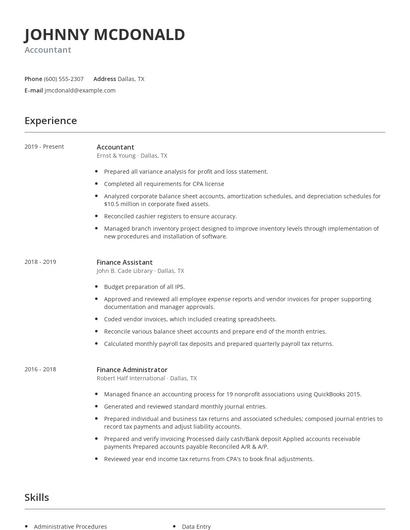
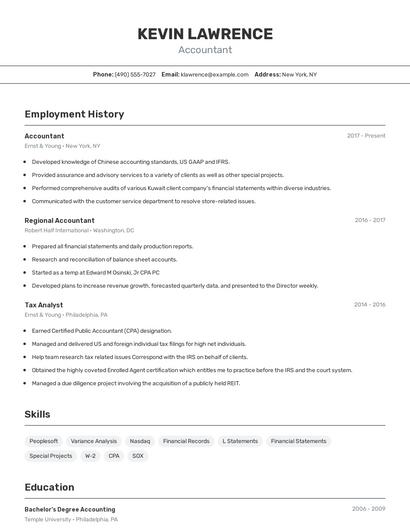
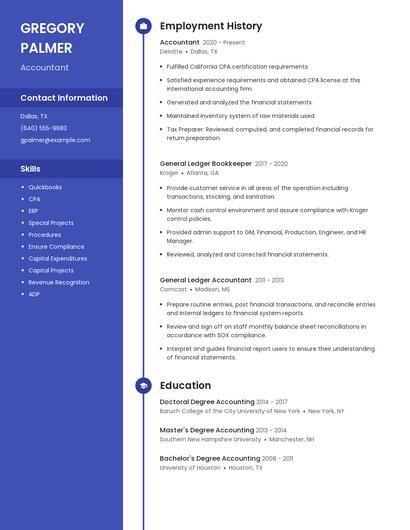
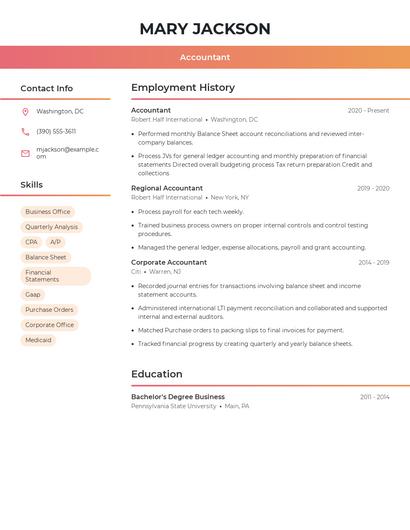
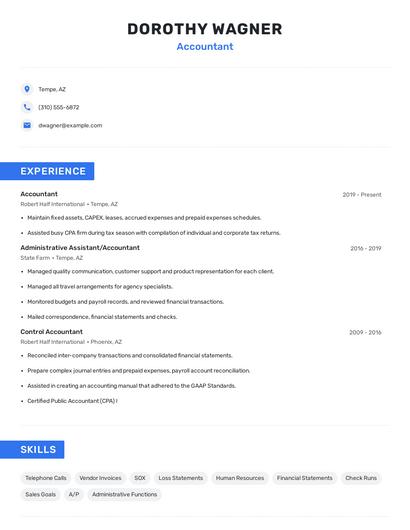
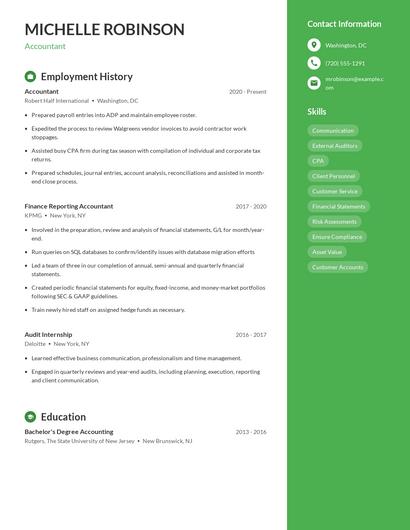
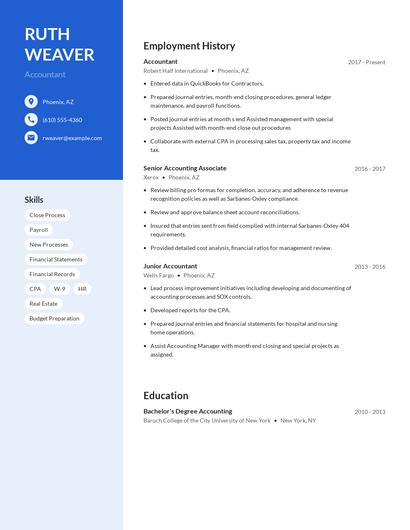
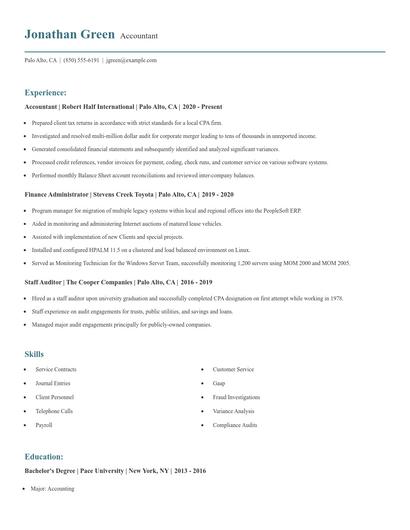
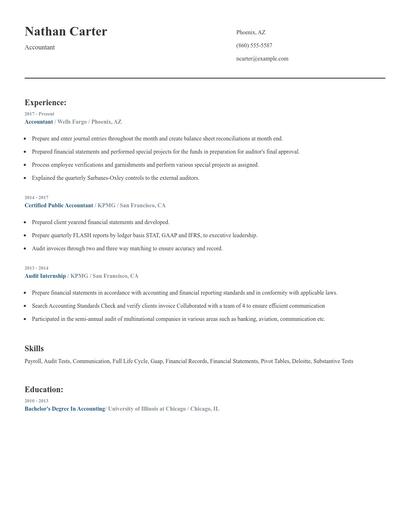
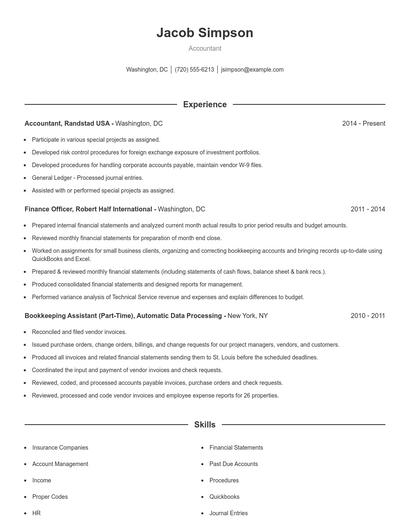
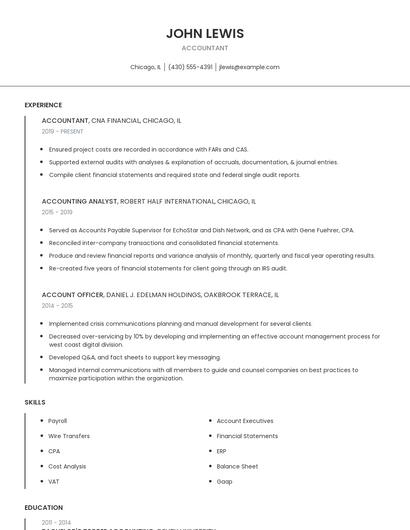
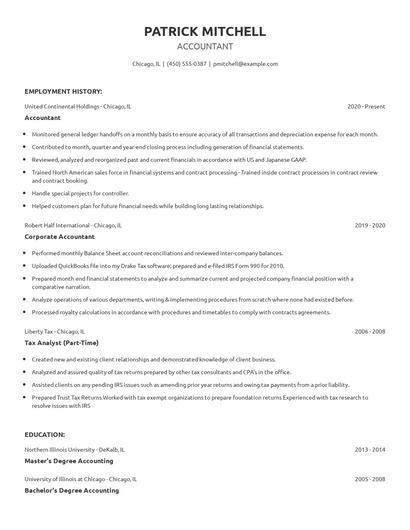
Choose from 10+ customizable resume templates
Zippia allows you to choose from different easy-to-use templates, and provides you with expert advice. Using the templates, you can rest assured that the structure and format of your resume is top notch. Choose a template with the colors, fonts & text sizes that are appropriate for your industry.