Explore jobs
Find specific jobs
Explore careers
Explore professions
Best companies
Explore companies
This question is about what a manager does.
What is a people manager?
A people manager is a professional who seeks to enhance communication in a workplace and to prepare employees of that workplace for success by utilizing people management skills.
People managers handle conflicts between coworkers and between employees and their superiors. They are also essential to creating a company's culture while also playing a critical part in the overall success of a company. Adept people managers know, understand, and care for employees and the company as a whole.
People managers may perform administrative duties, but they are more often involved with activities that directly relate to employees; these include responsibilities like hiring newly qualified candidates for specific roles, making key employee-related decisions, and performing problem-solving on a number of issues.
They use their people management skills to inform, develop, and engage the employees of a company.
People management involves the recruitment of new employees, managing existing employees, and giving them the proper objectives and guidelines that align with company goals.
Within this outline, the process of people management can also be defined as training, managing employee performance, providing incentives for employees, displaying leadership, and attention to the wellness of a work environment.
People managers utilize people management to supervise work strategies and aim to enhance employee performance through reviews. People management is critical to many goals of a company, such as keeping deadlines, productive employee training, and developing a strong and vibrant company culture.
Here are some essential skills of a people manager:
Leadership skills
Leadership skills are essential to being a people manager. Managers can be in charge of a large team or even several large teams, so the ability to lead with confidence is a must. These skills also help to motivate team members and keep their faith in their manager.
Communication skills
People managers must possess strong communication skills. They are the ones in charge and are delegating tasks and explaining objectives. It is critical that these things are delivered to teams with clarity. People managers may also have to speak with clients or executives; here, they need strong communication skills as well.
Above all, a qualified people manager should be able to effectively communicate their vision, goals, and ideas to a team and any other relevant parties effectively.
Organizational skills
To make organizations run efficiently, they must be organized. And the cues regarding organization come from a people manager or several managers. This is one of the most important aspects of their job, determining what tasks take priority and what sequence they should be completed in.
Team management skills
A people manager needs to be able to bring a team or teams together and direct them towards a company's goal or objective. This includes helping these employees to align their own goals with those of the directive and the organization itself.
Team management can also effectively delegate tasks amongst team members, handle conflicts amongst staff or other issues, and evaluate a team's performance.
Qualified people managers are able to coach their team members in ways that improve their skills, work ethic, and output.
Negotiation skills
People managers must be skilled negotiators. They often have to deal with employees, superiors, and clients, in ways where negotiation is key.
Negotiation skills also come into play when dealing with team members and making sure that all are working towards a common goal.
Time management
People managers have to adhere to deadlines and also get their teams of employees to meet deadlines. This is why time management skills are essential to being a qualified people manager.
Task delegation and deadlines concerning different aspects of a project must be enforced if the overall project is to get finished on time.
Critical thinking and problem-solving skills
These are also crucial skills for a qualified people manager. Solving problems can be a daily routine in the career of a people manager, and the ability to think critically about complex issues is vital. Demonstrable skills in these areas help to solidify a people manager's leadership amongst his team.
They must have a structured approach to resolving potential problems that can be easily employed. The ability to stay calm, focused, and use analytical skills are also very important in this area.
To prevent problems or conflicts from arising, a manager should be on the lookout for signs of a problem or conflict and keep in constant communication with their employees.
Motivational skills
The ability to motivate team members is a very important skill for people managers. If a manager can get their team to approach tasks enthusiastically and uniformly, it makes for a much smoother experience, as well as a better final result.
Techniques in this area include praising team members accordingly, other methods of positive reinforcement, and team-building exercises.
The ultimate goal with motivation should be to create a productive, fun, and collaborative work setting that aligns with a company's culture.
Adaptability skills
Being adaptive is a great skill for a people manager. They often have to deal with a variety of complicated issues concerning the personalities and work habits of their employees.
Being adaptable allows people managers to take different tactics with different employees, knowing that one technique might work well for a certain employee and a different technique will work better for another.
Reporting skills
A people manager must keep detailed reports that can then be accessed for future reference.
Solid documentation of important events or issues concerning employees can lead to strategies that enhance future work.
People managers must also utilize these skills when writing up employee performance reviews. They need to remain objective and honestly appraise an employee's job performance.
Listening skills
Being an active listener regarding team members is an extremely important skill for a people manager.
Oftentimes, team members come up with great ideas or solutions to problems. A people manager must remain open-minded to ideas from team members and truly listen to what they have to say.
This also helps to foster positive professional dynamics amongst staff and can bond team members with their people manager. Listening skills are also essential for these professionals when communicating with executives or any other senior officials.
Interpersonal skills
These skills include relationship management, collaboration skills, and self-confidence. People managers need to be able to work well in a collaborative sense while remaining a leadership figure in their team.
Relationship skills come into play not only with team members but also with executives and other people that represent networking opportunities in their industry.
Having strong skills in this area helps to grow relationships with many key professionals a manager must engage with.
Conflict resolution skills
Conflict-resolving skills are extremely important for people managers. They should be able to resolve any inner team disputes fairly and swiftly. This helps the team work efficiently and collaboratively.
Conflict resolution skills also apply to adjusting sub-par workflows, project problems, and other negative external factors a manager may face.

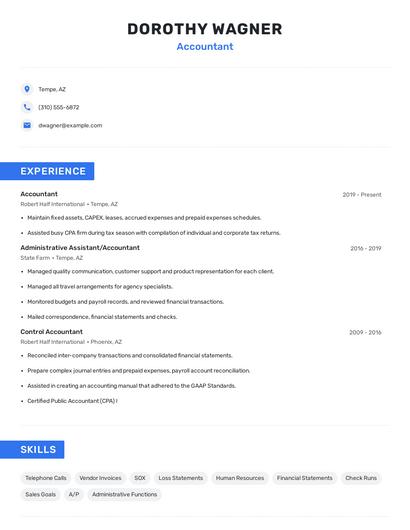
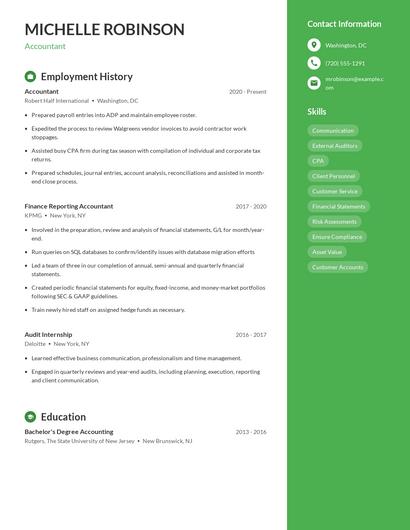
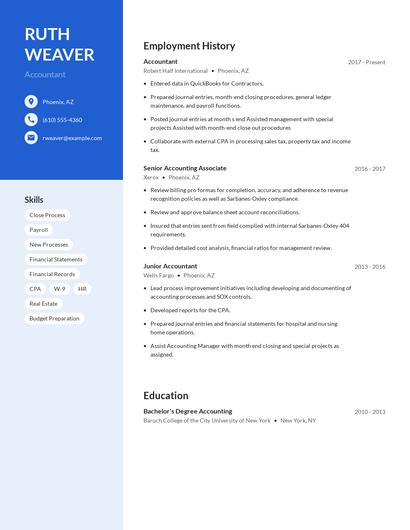
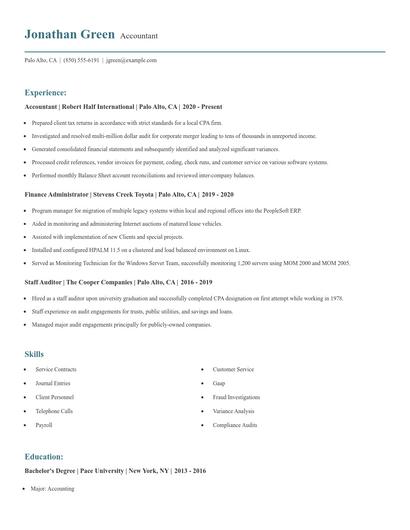
Choose from 10+ customizable resume templates
Zippia allows you to choose from different easy-to-use templates, and provides you with expert advice. Using the templates, you can rest assured that the structure and format of your resume is top notch. Choose a template with the colors, fonts & text sizes that are appropriate for your industry.