Explore jobs
Find specific jobs
Explore careers
Explore professions
Best companies
Explore companies
This question is about functional analyst, analyst, and process analyst.
What qualifications do you need to be an analyst?
The qualification you need to be an analyst is a bachelor's degree in computer science or mathematics from an accredited institution or its equivalent. However, a master's degree in mathematics, computer science, or machine learning is an added advantage.
Other fields that are acceptable include economics, statistics, and information management at either a bachelor's or master's level.
Some certifications that are desirable but not mandatory for applicants include Professional in Business Analysis (PBA), Agile Analysis Certification (AAC), and Certified Business Analysis Professional (CBAP). Relevant work and hands-on experience may be a substitute for any of the above certifications.
There are many different types when it comes to being an analyst (e.g., tax, financial, data). While each type of analyst requires its own specializations, an analyst at its core is someone who gathers, interprets, and uses complex data to develop actionable steps that will improve processes and optimize results.
Requirements for the Top 16 Analyst Types:
Vendor analyst. Plays an important role in a company's outsourcing and purchasing decisions by gathering and analyzing data on vendors and presenting their findings in a clear and easy-to-understand way.
Qualifications needed include a bachelor's degree and sufficient experience analyzing supply chains and communicating with vendors.
Intelligence analyst. Monitors and helps prevent data breaches by collecting, analyzing, and producing conclusions based on relevant data.
Qualifications needed include at least a bachelor's degree, preferably a master's degree in international relations (MAIR).
Additional certificates help as well, and they include Certified Information Systems Security Professional (CISSP), Intelligence Fundamentals Professional Certification (IFPC). Criminal Intelligence Certified Analyst (CICA), Certified Business Intelligence Professional (CBIP).
Geospatial analyst. Interpret aerial images and GPS information to map different locations. Provide data-driven solutions to professionals on where to start construction projects.
Qualifications needed include a bachelor's or master's degree in civil engineering, cartographic science, environmental science, geographic information systems, or related fields.
Tax analyst. Prepare, review and file tax returns on behalf of their clients or company. They find ways to reduce tax payments and ensure all tax laws are being adhered to.
Qualifications include - Passing the certified public accounting (CPA) exam, attention to detail, knowledge of tax laws, numeracy, interpersonal and communication skills, knowledge of accounting and bookkeeping procedures, and commercial awareness.
Financial analyst. Study the history of financial data to provide projections and financial health reports. They also explore investment opportunities and inform their clients of the risks and benefits involved with certain decisions.
Qualifications needed include research skills, analytical skills, communication and writing skills, mathematical skills, decision-making skills, and attention to detail.
Project analyst. Provides data-based support to a project manager. They help plan and execute projects through processes (e.g., budget analysis, forecasting), gather market data, and present new techniques or methods to improve efficiency.
Data analyst. Collect and interpret different types of data. The purpose of data analysis is typically to provide a data-driven foundation for decision-making. Data analysts look for patterns or trends and use these to make projections. They may also provide easy-to-read reports that simplify data for companies.
Qualifications needed include a strong understanding of Structured Query Language (SQL), Microsoft Excel, Critical Thinking, R or Python-Statistical Programming, Data Visualization, Machine Learning, and Communication skills.
Network analyst. Design and analyze computer networks that organizations use. Their primary duties include creating network systems that meet the needs of an organization, monitoring the network systems for effectiveness, and providing technical support.
Qualifications needed include at least a bachelor's degree, usually in computer science, telecommunications, or a similar discipline, and experience with information technology.
Economic analyst. Works with large data sets to create economic forecasting models for private organizations or the government.
They research the current economy, along with past trends, to determine what the economy will look like in the short- and long-term future. Companies hire economic analysts to help them better predict future events so they can make financial decisions.
Qualifications needed SQL, data analysis, SAS (Statistical Analysis System), financial statements analysis, Microsoft (e.g., Excel, Powerpoint) commercial and cultural awareness.
Operations analyst. Identifies problems related to business operations and helps create solutions to improve communication, data management, and lead generation. They collect data from certain departments, such as sales and marketing, and create reports for company decision-makers.
Qualifications needed include strong business acumen, excellent analytical skills, high proficiency in Microsoft Office applications, working with minimal supervision, having good interpersonal skills to work with different management levels, and the ability to sit in front of a computer for many hours a day.
Business analyst. Study the current state of a business and find improvement areas. Areas they may study include customer needs, technology requirements, and financial data. After conducting their analysis, business analysts present their conclusions to managers to help them implement suggested changes.
Qualifications needed include commercial awareness, communication, interpersonal, time management, organizational, problem-solving, analytical, leadership, and management skills, among others.
Computer systems analyst. Study the current computer systems of an organization and find ways to improve efficiency and costs. Computer systems analysts understand the goals and needs of a business and then develop a plan on how the latest technology can assist them.
Qualifications needed include excellent analytical skills, high proficiency in Microsoft Office applications, working with minimal supervision, having good interpersonal skills and good computer skills, among others.
Technical analyst. Responsible for communicating technical knowledge within a business. They interview people within a business to better understand project needs and communicate technical requirements to business management.
Technical analysts ensure management and technical teams have the same understanding of various requirements.
Qualifications needed include - programming languages, data visualization, database proficiency, software development, among others.
Management analyst. Study organizations and propose solutions to improve efficiency. They're typically external consultants who provide an objective view of the company.
Duties include interviewing employees, reviewing current processes and finance, and making recommendations to meet the company's goals.
Qualifications needed include - strong numeracy, data management, business management, critical thinking, great attention to detail, data visualization, and the ability to process large amounts of information, among others.
Business systems analyst. Studies current business procedures and reports potential challenges to management. They also identify effective solutions related to business software and computer procedures.
Business systems analysts may also design new computer programs by studying current employee behavior or project requirements.
Qualifications needed include - commercial awareness, communication, and interpersonal skills, time management and organizational skills, problem-solving skills, analytical skills, leadership, and management skills.
Program analyst. Inspects a business program and recommends ways to improve them. They also implement data collection and management techniques, participate in strategic planning, and document changes to programs.
Qualifications needed include - strong analytical skills, proficiency in computer technology and Microsoft office application, exceptional research and reporting skills, strong time management skills, working knowledge of applicable laws and standards in the industry.

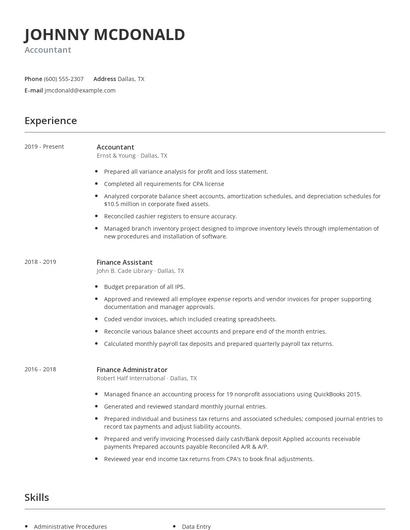
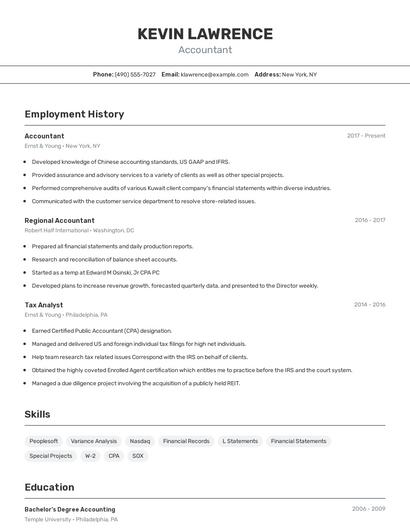
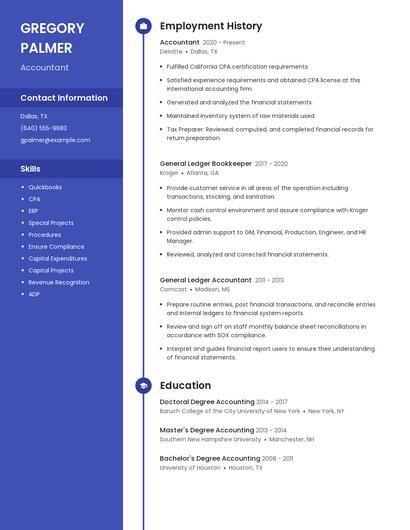
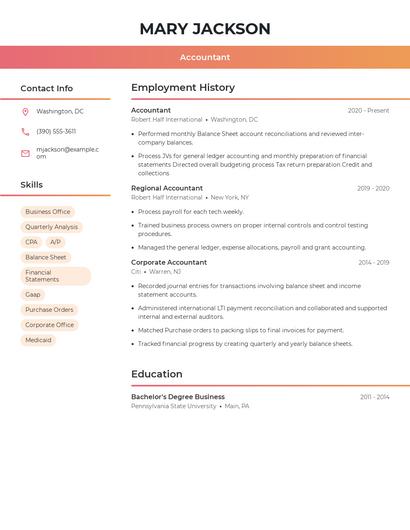
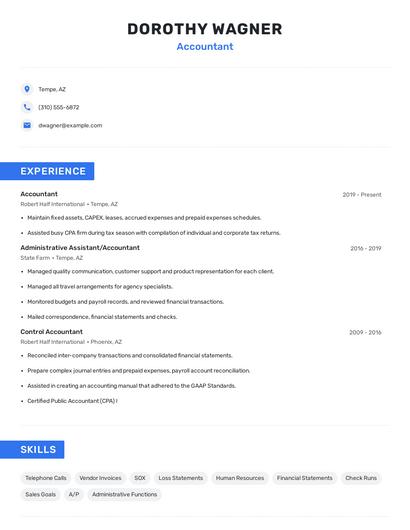
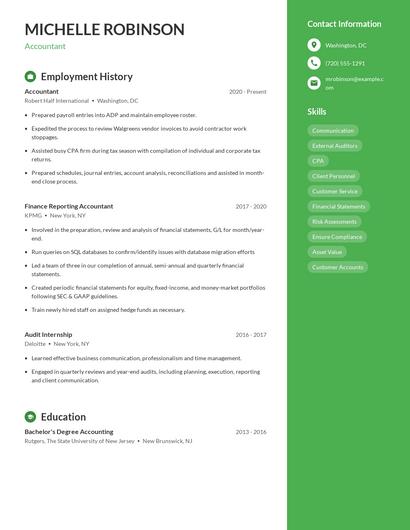
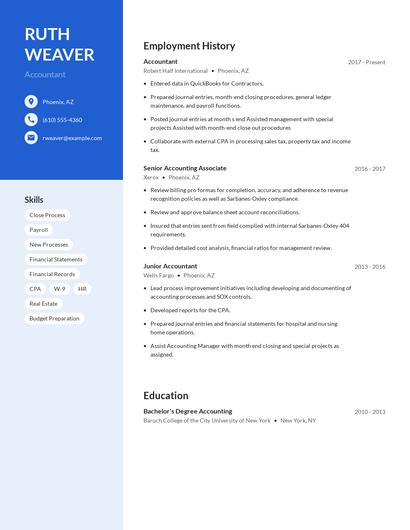
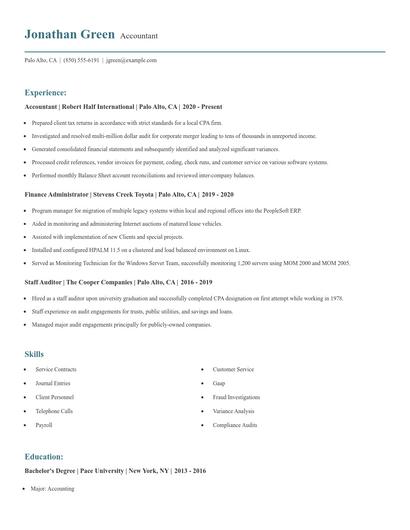
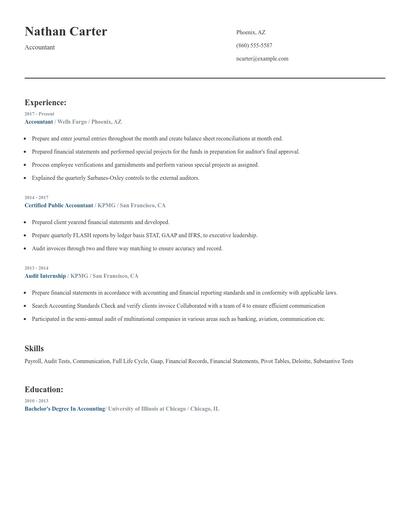
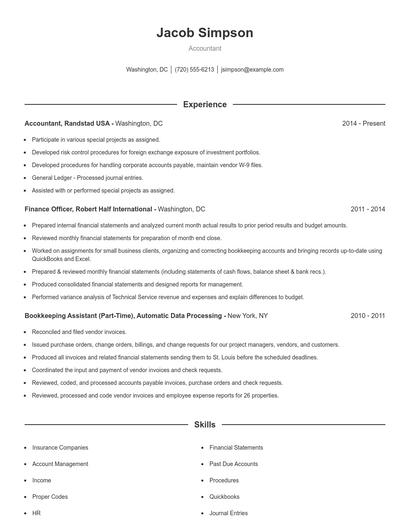
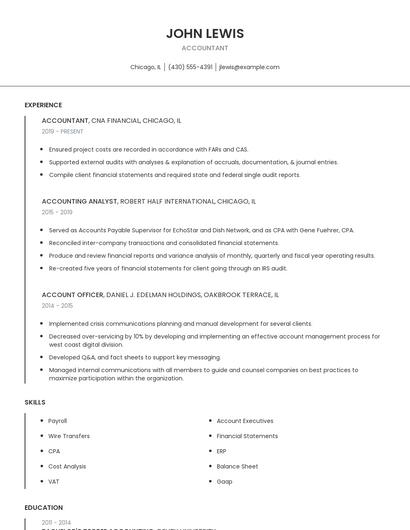
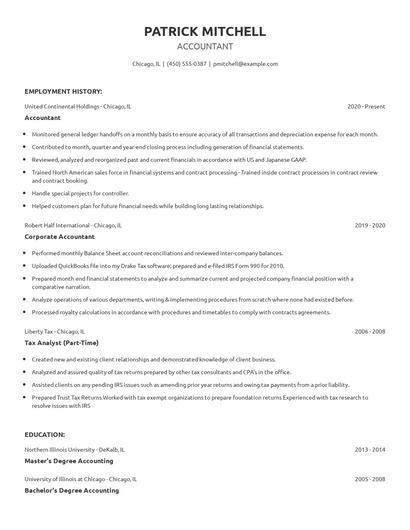
Choose from 10+ customizable resume templates
Zippia allows you to choose from different easy-to-use templates, and provides you with expert advice. Using the templates, you can rest assured that the structure and format of your resume is top notch. Choose a template with the colors, fonts & text sizes that are appropriate for your industry.