Explore jobs
Find specific jobs
Explore careers
Explore professions
Best companies
Explore companies
This question is about sales representative.
How much does a sales rep make a year?
A sales representative makes $47,187 a year or $24 an hour. However, there is a high range of variability in the earning potential of a sales rep, ranging from $97,500 per year (or $50 per hour) down to $15,000 per year (or $7.21 per hour).
This high level of variability suggests there may be many opportunities for advancement and increased pay based on skill level, industry, location, and years of experience.
The earning potential of a sales representative can be much greater than their base salary pay. Whether you're in the sales industry or are considering a career change to a sales-based position, it's important to understand how commission structures work. There are several types of commission structures for sales representative positions, and these are listed below;
Nine types of commission structures for sales rep jobs:
Base rate commission. The sales rep is only paid an hourly or flat salary. This commission structure benefits businesses where salespeople spend a lot of time educating and supporting customers before and post-sales. There's no incentive to upsell or sell more products or services, hence no commission.
Base salary plus commission. The sales rep is paid both an hourly or straight base salary plus a commission rate. Typically, the base salary is too low to support someone's income entirely, but it does provide a guaranteed income when sales are low.
The standard salary to commission ratio is 60:40, with 60% as the base rate and 40% commission-driven.
Drawn against commission. The sales rep pay is based on an advance payment, or draw, that helps new hires acclimate to their sales roles without losing income. It incorporates elements of the commission-only and base pay plus commission structures. The more you sell, the more you make in commissions.
Gross margin commission. Sales rep earns a percentage of the profit. Because their commission depends on the final cost of the sale, salespeople are less likely to discount products. The more they can upsell a product or service, the more commission they can earn.
Residual commission. The sales rep earns a percentage of the profit. Because their commission depends on the final cost of the sale, salespeople are less likely to discount products. The more they can upsell a product or service, the more commission they earn.
Revenue commission. The sales representatives who earn a predetermined percentage of the revenue they generate have the opportunity to become top sales performers.
Straight commission. No sale equals no income. The straight commission structure allows the sales rep to function like independent contractors who set their own hours, which saves companies money in taxes, benefits, and other expenses. The company makes money only when the salesperson brings in revenue.
Tiered commission. The sales rep earns a certain percentage of commission on all sales up to a designated amount. Once they achieve their revenue goal, their commission increases. This encourages them to exceed sales goals and close more deals.
Territory-based commission. The sales rep earns their income based on the set rate for their defined region.
The amount of compensation typically depends on territory volume, where sales numbers are totaled, and commissions are split equally among salespeople within the region. This compensation plan will only work for sales representatives who work in a team-oriented environment.

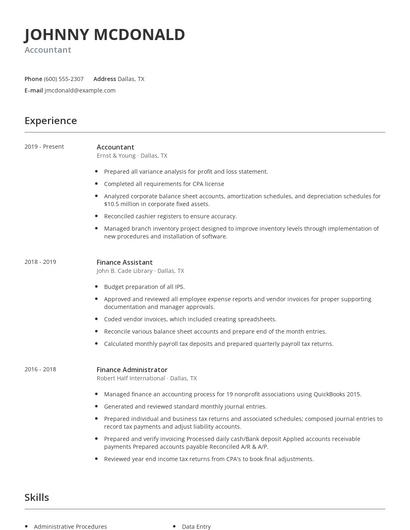
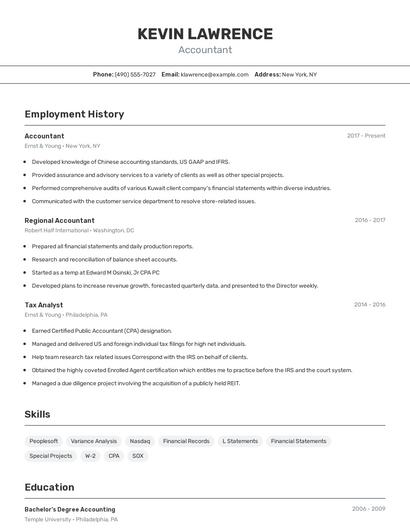
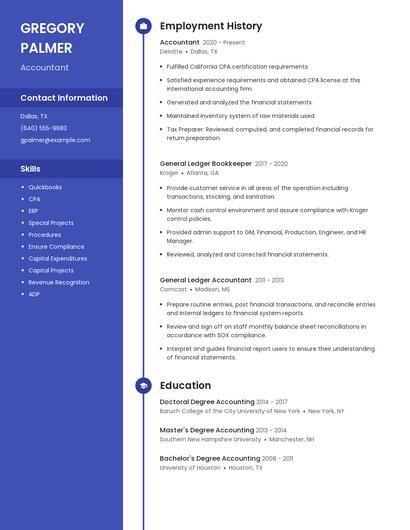
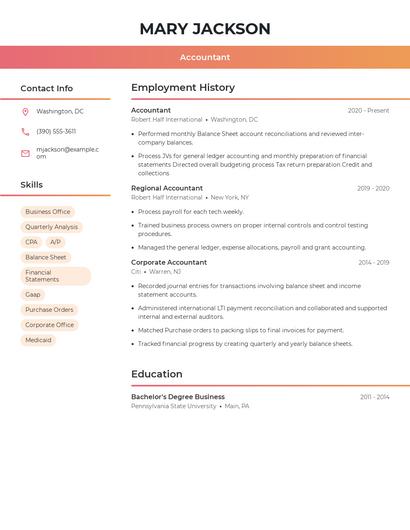
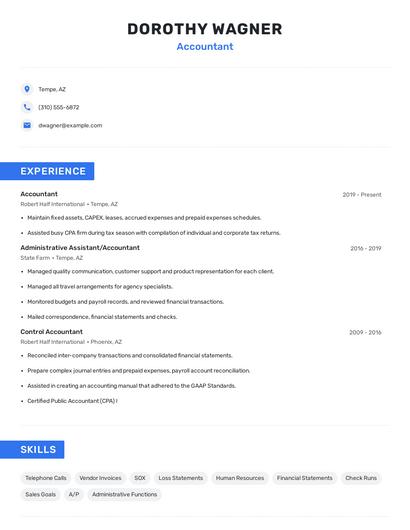
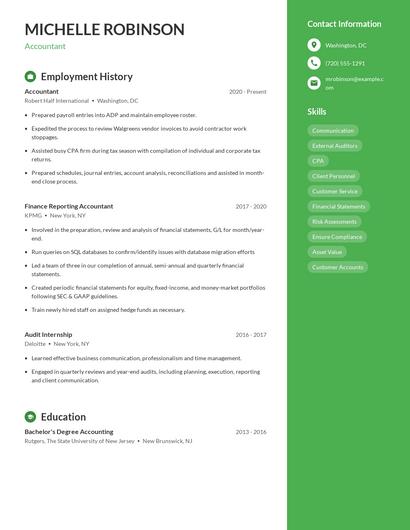
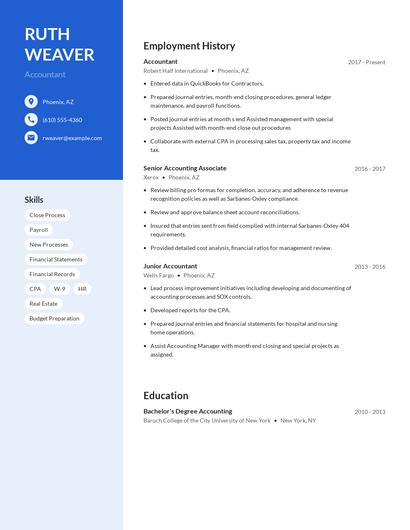
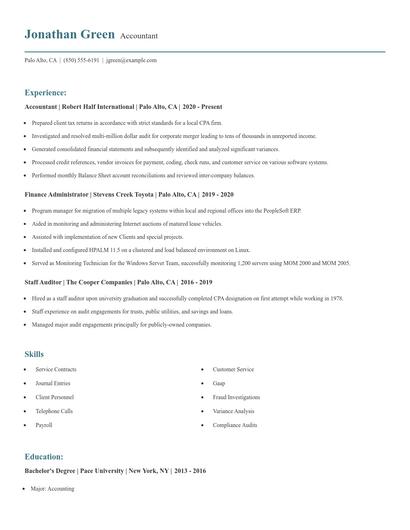
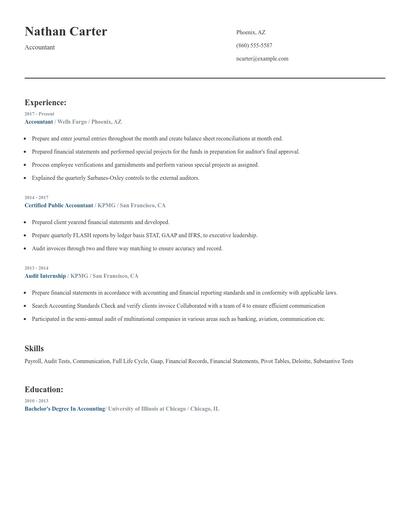
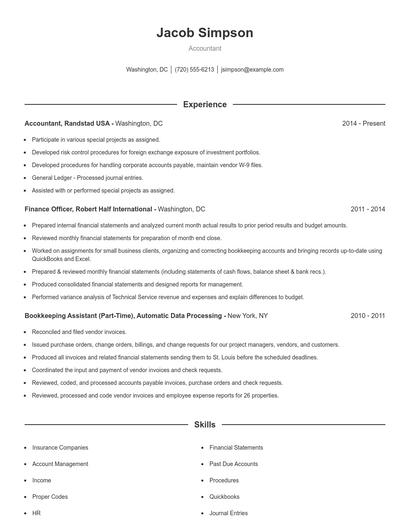
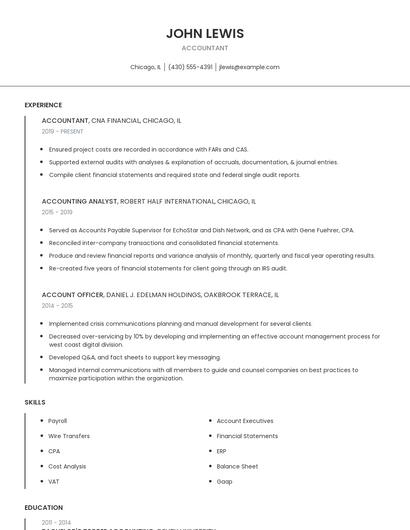
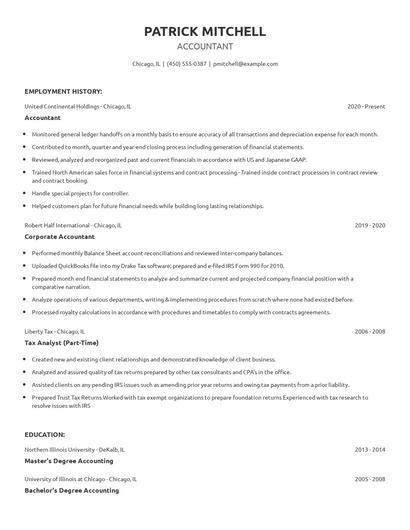
Choose from 10+ customizable resume templates
Zippia allows you to choose from different easy-to-use templates, and provides you with expert advice. Using the templates, you can rest assured that the structure and format of your resume is top notch. Choose a template with the colors, fonts & text sizes that are appropriate for your industry.